
Medical Disclaimer
The information on this website is for educational purposes only and is not a substitute for professional medical advice, diagnosis, or treatment. Always consult a qualified healthcare provider before starting any hormone therapy. Individual results may vary. TRTscout does not provide medical services or prescribe medications.
Key Takeaways
- Low testosterone affects millions of American men and is diagnosed through blood testing combined with a review of symptoms — not symptoms alone.
- The best TRT clinics in Detroit offer comprehensive pre-treatment lab panels, individualized protocols, and ongoing monitoring rather than a one-size-fits-all approach.
- Common TRT delivery methods include weekly testosterone injections, daily gels or creams, and longer-lasting subcutaneous pellets — the right choice depends on your lifestyle and health goals.
- Insurance may cover TRT in Detroit when hypogonadism is properly documented, but out-of-pocket costs vary significantly by clinic and delivery method.
- Side effects of TRT are real but well-understood and manageable under qualified medical supervision — the key is choosing a provider who monitors your labs regularly.
- Telemedicine TRT is a legitimate, high-quality alternative for Detroit-area men who struggle to find a convenient in-person provider.
Finding the Best TRT Clinics in Detroit: What You Need to Know
If you've been experiencing persistent fatigue, low libido, brain fog, or unexplained weight gain, low testosterone could be the underlying cause. You're not alone — research from the Endocrine Society estimates that roughly 2 to 4 million American men have clinically low testosterone, and many more experience symptoms without a formal diagnosis. For Detroit-area men looking for answers, finding one of the best TRT clinics Detroit has to offer is the critical first step toward feeling like yourself again.
Medical disclaimer: This article is intended for educational purposes only and does not constitute medical advice. Always consult a licensed healthcare provider before beginning any hormone therapy program.
This guide is designed to help you understand what makes a testosterone clinic worth your time and money, what to expect from the evaluation and treatment process, and how to confidently take action. Whether you're just starting to connect the dots on your symptoms or you've already had blood work done, this resource will help you navigate Detroit's growing landscape of men's health providers. You can also take the free Low T symptom quiz right now to get a clearer picture of where you stand before your first appointment.

What Is TRT and Who Is It For?
Testosterone replacement therapy, or TRT, is an FDA-recognized medical treatment designed to restore testosterone levels in men whose bodies no longer produce adequate amounts on their own. This can happen due to aging — testosterone naturally declines at roughly 1 to 2 percent per year after age 30 — or due to specific medical conditions such as hypogonadism, pituitary disorders, or testicular injury.
TRT is not a performance-enhancing drug or a shortcut. It is a clinically validated therapy prescribed to men with confirmed low testosterone levels alongside corresponding symptoms. If you want to understand more about how the diagnosis process works, check out how to get diagnosed with low testosterone for a step-by-step breakdown.
Common symptoms that may indicate low testosterone include:
- Persistent fatigue and low energy even after adequate sleep
- Reduced sex drive and difficulty with erections
- Loss of muscle mass and increased body fat, especially around the midsection
- Mood changes including depression, anxiety, or irritability
- Brain fog, poor concentration, and memory issues
- Decreased bone density and joint discomfort
If several of these symptoms resonate with you, it's worth learning more about the 10 signs of low testosterone in men and speaking with a qualified provider in the Detroit area. The good news is that TRT is a well-studied, well-managed treatment — and when administered correctly, the results can be genuinely life-changing. Read about TRT before and after: real results explained to get a realistic sense of what to expect.
What Makes a Great TRT Clinic in Detroit?
Not all testosterone clinics are created equal. In a city like Detroit, you'll find everything from specialized men's health clinics to general practitioners who occasionally prescribe testosterone. Knowing what to look for can save you months of frustration and ensure you get safe, effective care from day one.
Here are the hallmarks of a high-quality TRT provider:
Comprehensive Lab Testing Before Treatment
A reputable clinic will never prescribe testosterone without a thorough blood panel. At minimum, this should include total and free testosterone, SHBG, LH, FSH, estradiol, hematocrit, PSA, metabolic panel, and thyroid function. Learn more about what's involved in TRT blood work and which tests you need before and during treatment. Clinics that skip these steps are a red flag.
Individualized Treatment Protocols
The best TRT clinics Detroit providers offer are not cookie-cutter operations. Your dose, delivery method, and follow-up schedule should be tailored to your unique physiology, health history, and treatment goals. Whether that means weekly testosterone cypionate injections, topical gels, or subcutaneous pellets, a quality provider will discuss the tradeoffs with you. For a deep dive on delivery methods, see testosterone injections vs pellets: full comparison.
Ongoing Monitoring and Follow-Up
TRT is not a one-and-done prescription. Blood levels should be monitored regularly — typically at 6 to 12 weeks after initiation and then every 3 to 6 months thereafter. Good clinics track hematocrit, PSA, estradiol, and testosterone levels throughout your treatment. If a clinic doesn't mention follow-up blood work, walk away.
Transparent Pricing and Informed Consent
You should understand exactly what you're paying for before committing. Ask about consultation fees, medication costs, and lab fees upfront. For a full breakdown of what TRT typically costs, visit our guide on TRT cost: full price breakdown.
Types of TRT Treatments Offered at Detroit Clinics
Detroit-area TRT clinics typically offer a range of testosterone delivery methods, and the right one for you depends on your lifestyle, preferences, and how your body responds. Here's a practical overview of the most common options you'll encounter:
| Delivery Method | Frequency | Pros | Cons |
|---|---|---|---|
| Testosterone Cypionate Injections | Weekly or twice weekly | Cost-effective, precise dosing | Requires self-injection or clinic visits |
| Topical Gels or Creams | Daily | Non-invasive, easy application | Risk of transference to partners |
| Subcutaneous Pellets | Every 3–6 months | Consistent levels, no daily routine | Minor in-office procedure required |
| Testosterone Patches | Daily | Convenient, steady delivery | Skin irritation in some men |
Injectable testosterone cypionate remains the most commonly prescribed form due to its predictable half-life and cost-effectiveness. Many Detroit clinics also support self-administration at home, which reduces the burden of frequent office visits. For a detailed comparison of injection styles, see subcutaneous vs intramuscular TRT injections.
Some men may also benefit from adjunct therapies like HCG to preserve fertility and testicular function, or anastrozole to manage estrogen levels. Speak openly with your provider about your goals — including whether you plan to have children, since TRT can suppress sperm production in some cases. Read more about TRT and fertility before making a decision.
How to Evaluate TRT Clinics in the Detroit Area
When you're ready to start researching providers, it helps to have a structured approach. Detroit is home to both specialized men's health clinics and broader wellness centers that include hormone optimization as part of their services. Here's how to separate the quality providers from the rest.
Check Provider Credentials
Look for board-certified physicians, urologists, or endocrinologists — or clinics staffed by nurse practitioners and physician assistants who specialize in men's hormone health under physician oversight. Be cautious of any provider who doesn't take a thorough medical history or dismisses your symptoms without proper testing. For guidance on which type of specialist to seek out, check what type of doctor prescribes TRT.
Read Patient Reviews Carefully
Online reviews on Google, Healthgrades, and Yelp can reveal patterns. Look for recurring comments about wait times, thoroughness of consultations, follow-up responsiveness, and whether patients feel heard. A single negative review means little, but consistent feedback about rushed appointments or difficulty reaching your provider is a meaningful warning sign.
Ask About Their Monitoring Protocol
A great question to ask any prospective clinic: "How often will you check my labs, and what do you monitor?" The right answer includes hematocrit and red blood cell counts, PSA, estradiol, and of course testosterone levels. Understanding hematocrit and TRT: why your levels matter will help you have a more informed conversation during your initial consultation.
Consider Telemedicine Options
If you're having trouble finding a convenient in-person option in Detroit, telemedicine TRT has become a legitimate and high-quality alternative. Many men in the Detroit metro area use online TRT providers who ship medications directly to their homes. For a full comparison, see online TRT vs local clinic: which is better and best telemedicine TRT providers.
Understanding Costs and Insurance for Detroit TRT Patients
One of the most common questions men ask before starting TRT is: how much will this cost? The honest answer is that it varies considerably depending on your provider, the delivery method you choose, and whether your insurance covers any portion of the treatment.
In general, men in the Detroit area can expect the following cost ranges:
- Initial consultation: $100–$300 depending on the clinic
- Lab work: $100–$400 out of pocket if not covered by insurance
- Monthly medication (cypionate injections): $30–$80 per month for generic testosterone
- Monthly medication (gels or pellets): $150–$600 per month depending on brand and method
- Follow-up visits and monitoring: $50–$200 per visit
Some insurance plans, including Blue Cross Blue Shield of Michigan — one of the most common insurers in the Detroit area — do cover TRT when hypogonadism is properly diagnosed and documented. However, coverage can be inconsistent. It's worth reading does insurance cover TRT: what you need to know before your first appointment so you're not caught off guard.
If cost is a concern, don't let it deter you from getting help. There are affordable options available, and many clinics offer payment plans. You can explore TRT financing: how to make treatment affordable for practical solutions. The annual cost of untreated low testosterone — in lost productivity, health complications, and quality of life — often far exceeds the cost of treatment itself.
What to Expect at Your First TRT Consultation in Detroit
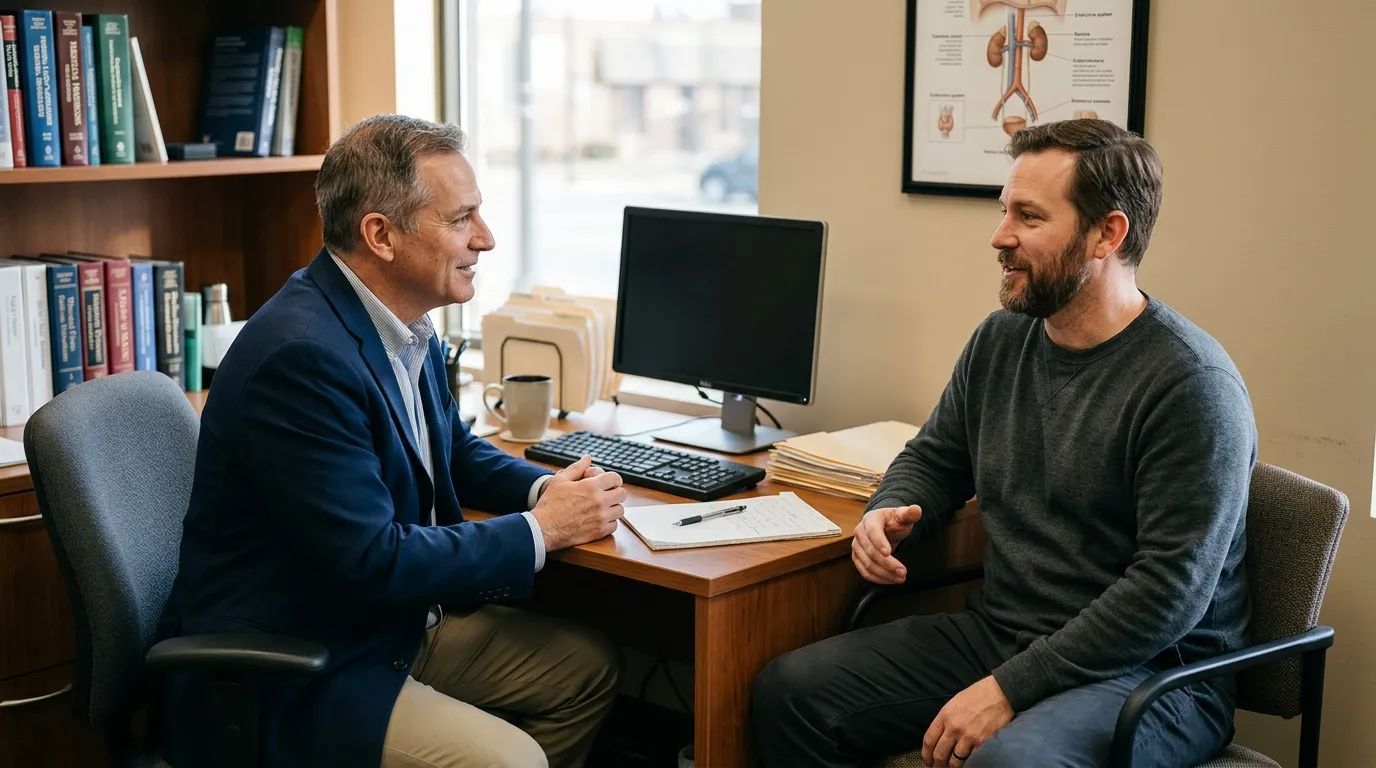
Walking into your first appointment at a testosterone clinic can feel daunting, especially if you're not sure what to expect. The good news is that a well-run TRT clinic makes this process straightforward and respectful of your time and dignity.
Here's a typical flow for an initial TRT consultation:
- Medical history review: The provider will ask about your symptoms, their duration, and how they're affecting your daily life. They'll also review your past medical history, current medications, and family history.
- Physical examination: A basic exam may include checking blood pressure, body composition, and in some cases a testicular exam.
- Blood draw: Comprehensive hormone and metabolic labs will be ordered, either on-site or at a nearby lab. You'll typically need a morning blood draw since testosterone levels are highest earlier in the day.
- Discussion of results: At a follow-up appointment (sometimes the same day at advanced clinics), your provider reviews your results with you and explains what your numbers mean in context.
- Treatment planning: If TRT is appropriate, your provider will walk you through delivery options, dosing, and what to monitor going forward.
For a complete walkthrough of this process, read your first TRT consultation: what to expect. You can also use the free Low T symptom quiz to organize your thoughts before the appointment. And if you're wondering how long it takes to feel results, check out how long does TRT take to work.

Managing Side Effects: What Detroit TRT Patients Should Know
TRT is a well-tolerated therapy for most men, but like any medical treatment, it can come with some adjustments. Understanding potential side effects ahead of time — and knowing they're manageable with proper oversight — helps you feel prepared rather than caught off guard.
The most commonly reported side effects in some men include mild acne, temporary water retention, slight increases in red blood cell count, and changes in mood during the early weeks of therapy. These issues are typically short-lived and easily managed by an experienced provider through dose adjustments or adjunct therapies.
One area of consideration is estradiol (estrogen) balance. As testosterone levels rise, some of it converts to estrogen through a process called aromatization. In certain men, this can cause symptoms like water retention or mood fluctuations. However, this is a well-understood process that qualified TRT clinics monitor routinely — and when intervention is needed, medications like anastrozole can help maintain healthy estrogen balance. Learn more in anastrozole on TRT: when you need an estrogen blocker.
Another topic that comes up frequently is the relationship between TRT and sleep apnea. In men who already have untreated sleep apnea, testosterone therapy may require careful management. This risk is well understood and screened for by quality providers — a good Detroit TRT clinic will ask about sleep quality as part of your initial evaluation. For more information, see TRT and sleep apnea: does testosterone make it worse.
The bottom line: side effects are real but manageable. The key is choosing a clinic that takes monitoring seriously. For a full picture, read TRT side effects: what to expect and how to manage them.
How to Find the Best TRT Clinics in Detroit: Your Next Steps
You now have a solid foundation for understanding what TRT is, what great care looks like, and what the evaluation process involves. The most important thing you can do right now is take action — because low testosterone doesn't improve on its own, and the longer it goes unaddressed, the greater the cumulative impact on your health, relationships, and quality of life.
Here's a simple action plan to get started:
- Track your symptoms: Write down what you've been experiencing and how long. This helps your provider get a clearer picture faster.
- Take the symptom quiz: Use the free Low T symptom quiz to gauge whether your symptoms align with hormone imbalance.
- Research providers: Use the TRTscout clinic directory to find vetted TRT providers in the Detroit area. You can filter by location, treatment methods, and more.
- Prepare your questions: Before your consultation, review how to find the best TRT clinic near you for a full list of questions worth asking.
- Consider your options: If in-person care doesn't fit your schedule, explore the best telemedicine TRT providers who can serve Detroit-area men remotely.
Whether you're exploring testosterone therapy for the first time or looking to switch to a higher-quality provider, the best TRT clinics Detroit has available are within reach. You deserve care that's thorough, personalized, and focused on your long-term wellbeing — and with the right information, finding it is more achievable than ever. Take that first step today and start reclaiming the energy, focus, and vitality that low testosterone has been quietly stealing from you.
Sources & References
- Testosterone Therapy in Men with Hypogonadism: An Endocrine Society Clinical Practice Guideline — Journal of Clinical Endocrinology & Metabolism [Link]
- Diagnosis and Treatment of Testosterone Deficiency — American Urological Association [Link]
- Testosterone Replacement Therapy Overview — Mayo Clinic [Link]
- Hypogonadism in Men: Prevalence and Management — PubMed / National Library of Medicine [Link]
- Benefits and Risks of Testosterone Treatment for Hypogonadism in Elderly Men — PubMed / National Library of Medicine [Link]
- Testosterone Therapy and Cardiovascular Risk — TRAVERSE Trial Results — New England Journal of Medicine [Link]
- Men's Health: Low Testosterone — Cleveland Clinic [Link]
Frequently Asked Questions
Ready to Take the Next Step?
Check your symptoms with our free quiz or browse 2,500+ verified TRT clinics.