Medical Disclaimer
The information on this website is for educational purposes only and is not a substitute for professional medical advice, diagnosis, or treatment. Always consult a qualified healthcare provider before starting any hormone therapy. Individual results may vary. TRTscout does not provide medical services or prescribe medications.
Key Takeaways
- Low testosterone directly causes weight gain by reducing lean muscle mass, slowing metabolism, and increasing fat storage — especially visceral abdominal fat.
- Excess body fat worsens low testosterone by converting it to estrogen through aromatization, creating a self-reinforcing hormonal and metabolic cycle.
- Clinical research consistently shows that TRT in hypogonadal men reduces fat mass, improves lean body composition, and enhances insulin sensitivity.
- A proper diagnosis requires at least two fasting morning blood tests measuring total testosterone, free testosterone, SHBG, estradiol, and other metabolic markers.
- TRT works best as part of a broader plan that includes resistance training, adequate sleep, balanced nutrition, and stress management.
- Finding a qualified TRT provider who conducts thorough screening and ongoing monitoring is essential for safe, effective treatment.
If the scale keeps creeping up no matter how carefully you eat or how often you hit the gym, you're not imagining things — and you're not alone. Low testosterone weight gain is a clinically recognized phenomenon that affects millions of men, yet it often goes undiagnosed for years. The connection between declining testosterone and an expanding waistline is well-documented in peer-reviewed research, and understanding it could be the key to finally getting your body composition back on track.
Disclaimer: This article is for educational purposes only and does not constitute medical advice. Always consult a qualified healthcare provider before starting, changing, or stopping any treatment.
In this guide, we'll break down exactly how low testosterone triggers fat accumulation, why the cycle is self-reinforcing, and — most importantly — what your options are. If you're wondering whether your symptoms line up, take the free Low T symptom quiz to get a better sense of where you stand.

How Low Testosterone Causes Weight Gain
Testosterone is far more than a sex hormone. It plays a central regulatory role in metabolism, body composition, and fat distribution. When testosterone levels fall below optimal ranges — generally considered below 300 ng/dL by most clinical guidelines — the body's ability to build and maintain lean muscle mass is significantly compromised. Because muscle tissue is metabolically active and burns calories even at rest, losing it slows your resting metabolic rate. The end result: you burn fewer calories daily, and any caloric surplus gets stored as fat rather than converted to energy or muscle.
But that's only part of the story. Testosterone also directly influences how fat cells behave. Research published in Obesity Reviews shows that low testosterone increases the activity of lipoprotein lipase (LPL), an enzyme that promotes fat storage — particularly in visceral (abdominal) fat tissue. This is why men with low T tend to develop a characteristic belly even when their overall caloric intake hasn't changed.
Beyond metabolism, testosterone interacts with insulin sensitivity. Multiple studies have found that men with lower testosterone levels have higher rates of insulin resistance, which makes it easier for the body to store glucose as fat rather than use it for energy. This hormonal imbalance sets the stage for a frustrating feedback loop that no amount of willpower alone can fully overcome.
If you've noticed unexplained fatigue alongside the weight gain, it's worth reading our article on 10 Signs of Low Testosterone in Men to see if other symptoms are lining up for you.
The Vicious Cycle: Weight Gain Lowers Testosterone Further
Here's where things get particularly frustrating: the relationship between low testosterone and weight gain isn't a one-way street. Excess body fat — especially visceral abdominal fat — actively converts testosterone into estrogen through a process called aromatization. Adipose (fat) tissue contains high concentrations of the aromatase enzyme, which breaks down testosterone and produces estrogen in its place. The more visceral fat you carry, the more testosterone gets converted, which drives levels even lower, which promotes more fat gain. It becomes a self-reinforcing cycle that can be very difficult to escape without addressing the hormonal root cause.
A landmark study published in the Journal of Clinical Endocrinology and Metabolism found that obese men had testosterone levels approximately 30% lower than their lean counterparts, even after controlling for age. This is not a minor statistical footnote — it's a clinically significant difference that affects quality of life, energy, mood, and metabolic health.
The aromatization problem also has downstream effects on estrogen balance. Elevated estrogen in men can contribute to water retention, gynecomastia (breast tissue development), and further suppression of the hypothalamic-pituitary axis — the hormonal command center that signals the testes to produce testosterone. To understand more about estrogen's role in this process, check out our article on Estradiol (E2) in Men on TRT: What You Need to Know.
Understanding this cycle is important because it reframes the conversation. Weight gain in the context of low T isn't simply a lifestyle failure — it's a metabolic and hormonal problem that deserves a medical solution.
Low Testosterone Weight Gain: Symptoms Beyond the Scale
Recognizing low testosterone weight gain in your daily life
Weight gain is rarely the only symptom men with low testosterone experience. It tends to cluster with a constellation of other signs that, taken together, paint a clearer picture of hormonal imbalance. Recognizing these patterns is an important step toward getting an accurate diagnosis.
Common symptoms that accompany weight gain in men with low T include:
- Fatigue and low energy — feeling exhausted even after a full night's sleep
- Reduced muscle mass — noticing that your strength has declined or that your muscles look and feel smaller despite regular exercise
- Brain fog — difficulty concentrating, forgetfulness, and mental sluggishness
- Low libido — a noticeable decrease in sex drive that persists over time
- Mood changes — increased irritability, low motivation, or depressive symptoms
- Visceral fat accumulation — specifically belly fat that resists diet and exercise
- Increased body fat percentage with a simultaneous decrease in lean mass
It's worth noting that these symptoms can overlap with other conditions, including thyroid dysfunction, sleep apnea, and depression. A thorough clinical workup is essential before drawing conclusions. That said, if several of these symptoms resonate with you, there's a meaningful chance your hormones deserve a closer look. You can explore this further in our guide to Low Testosterone Symptoms After 40.
The important takeaway here is that weight gain in the context of low T is not simply cosmetic — it signals underlying metabolic changes that can affect cardiovascular health, blood sugar regulation, bone density, and mental well-being if left unaddressed.

What the Research Says About Testosterone and Body Composition
The clinical evidence linking testosterone to body composition is substantial and growing. A 2013 meta-analysis published in the European Journal of Endocrinology reviewed 16 randomized controlled trials and found that testosterone therapy in hypogonadal men consistently reduced fat mass while increasing lean muscle mass. The effects were most pronounced in men who combined TRT with a structured exercise program, but meaningful body composition improvements were observed even without additional intervention.
A separate long-term study — the Registry of Hypogonadism in Men (RHYME) — followed over 1,000 men on testosterone therapy and found that after two years, participants showed significant reductions in waist circumference, body mass index (BMI), and fasting glucose levels. These metabolic improvements suggest that testosterone therapy does more than just change the number on the scale — it addresses the underlying hormonal environment that drives fat accumulation.
Research also confirms the insulin sensitivity connection. A 2016 study in Diabetes Care demonstrated that men with hypogonadism who received testosterone therapy showed meaningful improvements in insulin resistance, independent of changes in body weight. This is particularly relevant for men who are pre-diabetic or have metabolic syndrome.
For men interested in the full picture of what TRT can do for body composition, our detailed article on TRT and Weight Loss: Can It Help You Burn Fat? covers the research in depth, including realistic timelines and what to expect.
Getting Diagnosed: What Tests Do You Need?
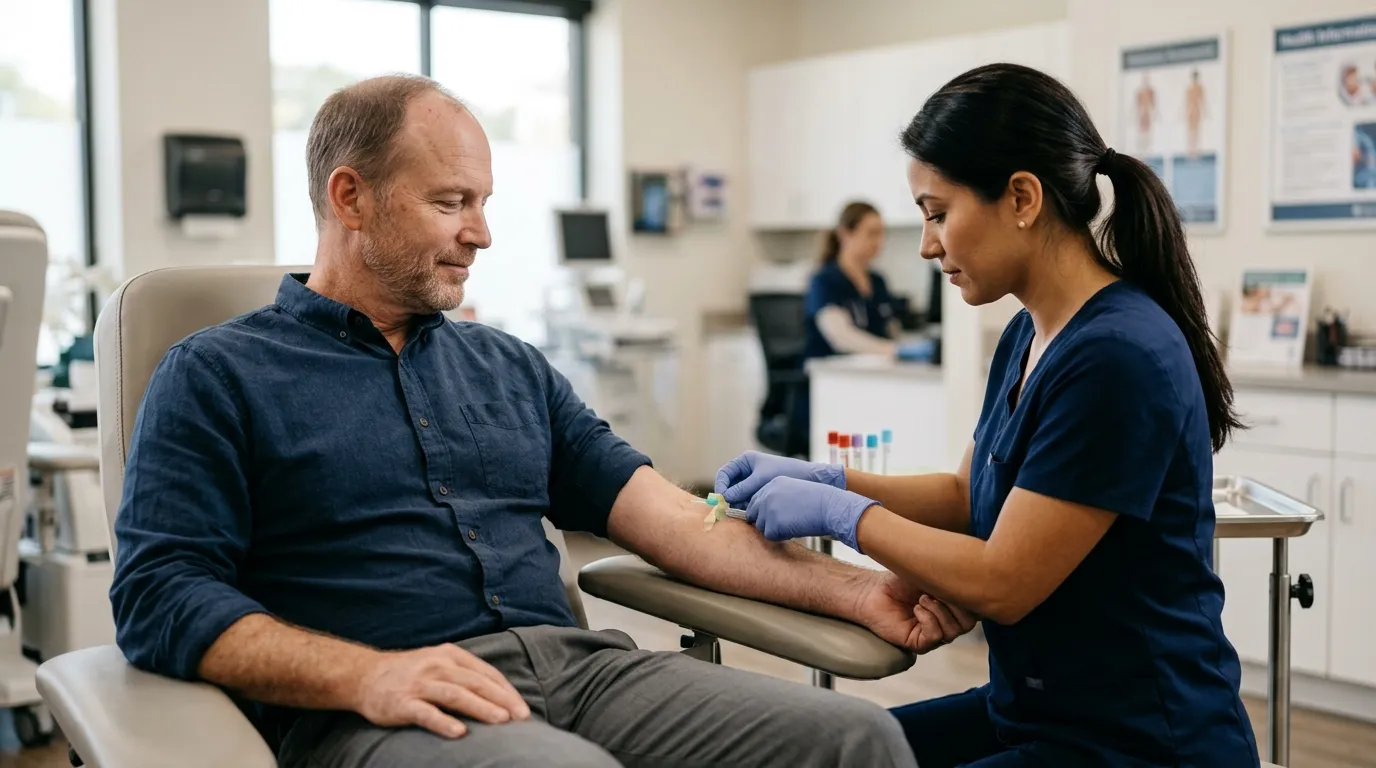
If you suspect low testosterone is driving your weight gain, the first step is a proper diagnosis. This means getting your hormone levels measured through a blood test — not guessing based on symptoms alone. The standard initial test is a total testosterone level, drawn in the morning when levels are naturally at their peak (typically between 7 and 10 AM). However, total testosterone alone doesn't always tell the full story.
A comprehensive workup should also include:
| Test | Why It Matters |
|---|---|
| Total Testosterone | Baseline measurement of circulating testosterone |
| Free Testosterone | Measures the biologically active fraction not bound to proteins |
| SHBG (Sex Hormone Binding Globulin) | High SHBG reduces available testosterone |
| Estradiol (E2) | Elevated estrogen in men contributes to fat gain and low T symptoms |
| LH and FSH | Identifies whether the issue originates in the testes or pituitary |
| Fasting Glucose and HbA1c | Assesses insulin resistance and metabolic health |
| CBC and Hematocrit | Baseline safety markers before starting any therapy |
Two separate low readings on different days are typically required before a diagnosis of hypogonadism is confirmed. This ensures accuracy and rules out temporary dips caused by illness, stress, or poor sleep. For a complete breakdown of what to expect from your lab work, see our guide on TRT Blood Work: Which Tests You Need Before and During Treatment. You can also learn more about the difference between Free vs Total Testosterone and why it matters for your diagnosis.
If you're ready to take action, find a TRT clinic near you through our directory of vetted, qualified providers across the country.
Treatment Options: Can TRT Reverse the Weight Gain?
For men who are clinically diagnosed with hypogonadism, testosterone replacement therapy (TRT) is an FDA-recognized treatment that directly addresses the hormonal deficiency driving the metabolic dysfunction. When administered under proper medical supervision, TRT can shift body composition meaningfully — reducing visceral fat, rebuilding lean muscle, and improving metabolic markers like insulin sensitivity and blood glucose.
TRT is available in several delivery forms, each with its own profile of benefits and practical considerations:
- Testosterone injections (cypionate or enanthate) — the most common form; administered weekly or biweekly
- Testosterone gels and creams — applied daily to the skin for steady absorption
- Subcutaneous pellets — implanted under the skin every 3–6 months for long-acting delivery
- Oral testosterone — newer options like Jatenzo and Kyzatrex offer a pill-based alternative
The choice of delivery method depends on your lifestyle, personal preference, and clinical factors your provider will assess. If you want to compare the most popular options, check out our article on TRT Injections vs Gel: Which Is Better?.
It's important to set realistic expectations: TRT is not a rapid weight-loss drug. Most men begin to notice changes in energy and mood within the first few weeks, while meaningful improvements in body composition typically become apparent over three to six months of consistent therapy. For a detailed look at what to expect and when, read our guide on How Long Does TRT Take to Work?. TRT works best as part of a broader plan that includes regular resistance training and balanced nutrition — but for men with genuinely low levels, it can be the catalyst that makes those lifestyle efforts finally pay off.

Lifestyle Changes That Support Hormonal and Metabolic Health
Whether or not you pursue TRT, certain lifestyle interventions can help support testosterone production and reduce the hormonal burden of excess body fat. These aren't just generic health tips — they're evidence-based strategies that directly influence testosterone levels and the low T–weight gain cycle.
Resistance training is the single most effective exercise modality for both boosting testosterone and improving body composition. Compound movements like squats, deadlifts, and bench press have been shown to acutely raise testosterone levels and stimulate long-term improvements in lean mass. Aim for at least three sessions per week.
Sleep quality is critically underestimated. The majority of daily testosterone production occurs during deep sleep. Men who sleep fewer than six hours per night have measurably lower testosterone levels than those who sleep seven to nine hours, according to research published in the Journal of the American Medical Association. Prioritizing sleep hygiene is a genuine hormonal intervention.
Dietary fat intake matters more than most men realize. Dietary fat — particularly saturated and monounsaturated fats from sources like eggs, avocados, and olive oil — is a precursor to testosterone synthesis. Very low-fat diets have been associated with reduced testosterone levels. A balanced macronutrient profile supports optimal hormone production.
Alcohol reduction also plays a role. Chronic alcohol consumption suppresses testosterone production and increases aromatase activity, worsening both low T and visceral fat accumulation. For more on this, see our article on TRT and Alcohol: Can You Drink on Testosterone Therapy?.
Stress management is equally important. Elevated cortisol — the primary stress hormone — directly suppresses testosterone production. Practices like mindfulness, adequate recovery between workouts, and managing workload stress can meaningfully protect your hormonal environment.
These lifestyle pillars are foundational regardless of whether TRT is part of your plan. For men with borderline testosterone levels, these changes alone may be enough to restore balance. For men with confirmed hypogonadism, they significantly amplify the results of medical treatment.
Finding the Right Provider: Your Next Step
If you recognize the pattern of low testosterone weight gain in your own life — stubborn belly fat, declining muscle mass, fatigue that diet and exercise can't touch — the most important next step is getting evaluated by a qualified provider who understands hormone health. Not every physician has deep expertise in men's hormonal health, so choosing the right clinic matters.
A good TRT provider will not simply look at a single lab number and hand you a prescription. They'll conduct a thorough clinical assessment, review your symptoms in the context of your full health history, order a comprehensive hormone panel, and develop an individualized treatment plan. Ongoing monitoring — including regular blood work — is a standard part of responsible TRT care.
You can start your search today by browsing our curated directory: find a TRT clinic near you, or explore options by state such as TRT clinics in Florida or TRT clinics in California. You can also explore how to find the best TRT clinic near you with our step-by-step guidance. Telemedicine has made access more convenient than ever — our roundup of the Best Telemedicine TRT Providers is a great place to start if you prefer a remote consultation.
Not sure if your symptoms add up to a real diagnosis? Take the free Low T symptom quiz — it takes under two minutes and gives you a clearer picture of whether your symptoms warrant further investigation. Addressing low testosterone weight gain is not about vanity — it's about reclaiming your metabolic health, your energy, and your quality of life. The right support makes all the difference.
Sources & References
- Testosterone Deficiency and Body Composition in Men — Journal of Clinical Endocrinology and Metabolism [Link]
- Effects of Testosterone Treatment on Body Fat and Lean Mass in Obese Men — European Journal of Endocrinology [Link]
- Testosterone and Insulin Resistance in Men with Type 2 Diabetes — Diabetes Care [Link]
- Testosterone Therapy in Adult Men with Androgen Deficiency Syndromes: An Endocrine Society Clinical Practice Guideline — The Endocrine Society [Link]
- Low Testosterone and Obesity: Clinical Implications — Obesity Reviews [Link]
- Association of Testosterone with Metabolic Syndrome and Insulin Resistance — Mayo Clinic Proceedings [Link]
- Sleep and Testosterone: The Role of Sleep Duration in Hormonal Health — Journal of the American Medical Association [Link]
Frequently Asked Questions
Ready to Take the Next Step?
Check your symptoms with our free quiz or browse 2,500+ verified TRT clinics.