
Medical Disclaimer
The information on this website is for educational purposes only and is not a substitute for professional medical advice, diagnosis, or treatment. Always consult a qualified healthcare provider before starting any hormone therapy. Individual results may vary. TRTscout does not provide medical services or prescribe medications.
Key Takeaways
- Testosterone levels naturally decline about 1–2% per year after age 30, but symptomatic hypogonadism is a diagnosable, treatable medical condition — not just aging.
- The TRAVERSE trial (2023) found TRT did not increase major cardiovascular events in men with hypogonadism, refuting longstanding fears about heart risk.
- Current evidence does not support a causal link between TRT and new prostate cancer development in men without pre-existing disease; PSA monitoring during therapy provides an effective safety net.
- TRT is not exclusively for older men — secondary hypogonadism is increasingly common in men in their 30s and 40s due to lifestyle and metabolic factors.
- Therapeutic-dose TRT typically improves mood and reduces irritability rather than causing aggression — clinical effects differ fundamentally from anabolic steroid abuse.
- TRT is not necessarily a lifelong commitment; treatment duration depends on diagnosis, goals, and individual response, with managed discontinuation possible when appropriate.
Disclaimer: This article is for educational purposes only and does not constitute medical advice. Always consult a qualified healthcare provider before making any decisions about hormone therapy or treatment.
If you've been researching low testosterone, you've probably encountered a confusing mix of warnings, contradictions, and outright misinformation. The truth is, testosterone and aging myths are everywhere — in locker rooms, on forums, and even in outdated medical advice. These myths can leave men suffering from real, treatable symptoms simply because they've been misled about what's normal, what's safe, and what's possible.
This guide cuts through the noise. Using peer-reviewed research and established clinical guidelines, we'll examine the most common misconceptions about testosterone decline and aging — and replace them with medical reality. Whether you're 38 and noticing changes, or 58 and wondering if it's too late, this article is for you.

Why Testosterone and Aging Myths Persist
Myths about male hormones have been circulating for decades. Part of the problem is cultural: men are often expected to silently accept fatigue, reduced libido, and cognitive fog as inevitable signs of getting older. Another part is medical: some older clinical guidelines were overly cautious about testosterone replacement therapy (TRT), and those outdated positions still influence what men hear from their doctors today.
The reality is more nuanced. While testosterone does decline gradually with age — at roughly 1–2% per year after the age of 30, according to research published in the Journal of Clinical Endocrinology and Metabolism — this natural decline does not automatically mean every man will develop symptomatic hypogonadism. Some men maintain healthy hormone levels well into their 60s and 70s. Others experience clinically significant drops that affect their quality of life, mood, body composition, sexual function, and cognitive performance.
Understanding the difference between normal age-related hormonal shifts and clinically low testosterone is the first step toward making informed decisions. The second step is separating what's true from what's myth — and that's exactly what this article is designed to help you do.
If you're already experiencing symptoms, consider taking the free Low T symptom quiz to get a clearer picture of where you stand before your next medical appointment.
Myth #1: Low Testosterone Is Just a Normal Part of Aging You Have to Accept
This is probably the most widespread and most damaging of all testosterone and aging myths. The idea that fatigue, low drive, weight gain, and mood changes are simply inevitable — and untreatable — stops countless men from seeking care that could genuinely transform their lives.
Yes, testosterone levels do decline with age. But there is a meaningful clinical distinction between gradual, age-related hormonal changes and hypogonadism — a medical condition in which testosterone levels fall below the threshold needed for normal physiological function. The American Urological Association (AUA) defines low testosterone as a total serum level below 300 ng/dL, combined with symptoms. This is not just aging. It is a diagnosable, treatable condition.
Research published in JAMA Internal Medicine found that men with symptomatic low testosterone who received TRT reported significant improvements in sexual function, mood, and energy levels compared to those who went untreated. These are not cosmetic improvements — they represent measurable changes in health outcomes.
The key point is this: just because something is common doesn't mean it's normal or that it must be endured. Plenty of age-related health conditions — high blood pressure, type 2 diabetes, vitamin D deficiency — are common but absolutely worth treating. Low testosterone symptoms after 40 deserve the same medical attention.
If you're unsure whether what you're experiencing qualifies as symptomatic low T, reviewing the 10 signs of low testosterone in men is a practical starting point before booking a blood test.
Myth #2: TRT Is Only for Older Men
Many men in their 30s or early 40s dismiss the possibility that they could have clinically low testosterone. They assume TRT is something reserved for men in their 60s and beyond. This assumption is incorrect — and it may be keeping younger men from getting answers.
Low testosterone can and does occur at any age. Secondary hypogonadism — where the problem originates in the brain's signaling to the testes rather than the testes themselves — is increasingly common in younger men and is associated with factors like chronic stress, obesity, sleep deprivation, opioid use, and certain medical conditions. A 2016 study in Fertility and Sterility found that the prevalence of hypogonadism in men aged 45 and younger has been rising, likely due to lifestyle and metabolic factors.
For men in their 30s wondering whether TRT is appropriate for them, the article on TRT in your 30s covers the clinical considerations in detail. Men in their 40s may want to explore TRT at 40 for a more targeted overview.
The bottom line: testosterone therapy is not age-gated. It is prescribed based on lab values, symptoms, and overall clinical picture — not on how many candles are on your birthday cake. A thorough evaluation by a qualified provider is the only way to know whether TRT is appropriate for you at any age.
Myth #3: TRT Causes Heart Attacks and Strokes
This myth has its roots in a now-retracted 2013 study published in the Journal of the American Medical Association (JAMA) that suggested TRT increased cardiovascular risk. The study had significant methodological flaws and was eventually corrected, but the fear it generated lingered far longer than the correction.
The current body of evidence tells a very different story. The landmark TRAVERSE trial — a large, randomized controlled trial published in the New England Journal of Medicine in 2023 — found that testosterone therapy in men with hypogonadism and pre-existing cardiovascular risk factors did not increase the rate of major adverse cardiovascular events compared to placebo. This is the most rigorous cardiovascular safety data on TRT to date.
In fact, some research suggests that low testosterone itself may be a cardiovascular risk factor. Studies have associated low serum testosterone with increased rates of metabolic syndrome, insulin resistance, and arterial stiffness. Treating the underlying hormonal deficiency with TRT — under proper medical supervision — may actually support cardiovascular health in appropriately screened men.
That said, men with specific pre-existing conditions — such as recent myocardial infarction or polycythemia — do require careful evaluation before starting therapy. A knowledgeable TRT provider will always conduct thorough cardiovascular screening before prescribing, and will monitor key markers like hematocrit during treatment. You can learn more about what that monitoring involves in our guide to TRT blood work.
For a comprehensive look at what the research actually says about heart health and testosterone, visit our in-depth article on TRT and heart health.
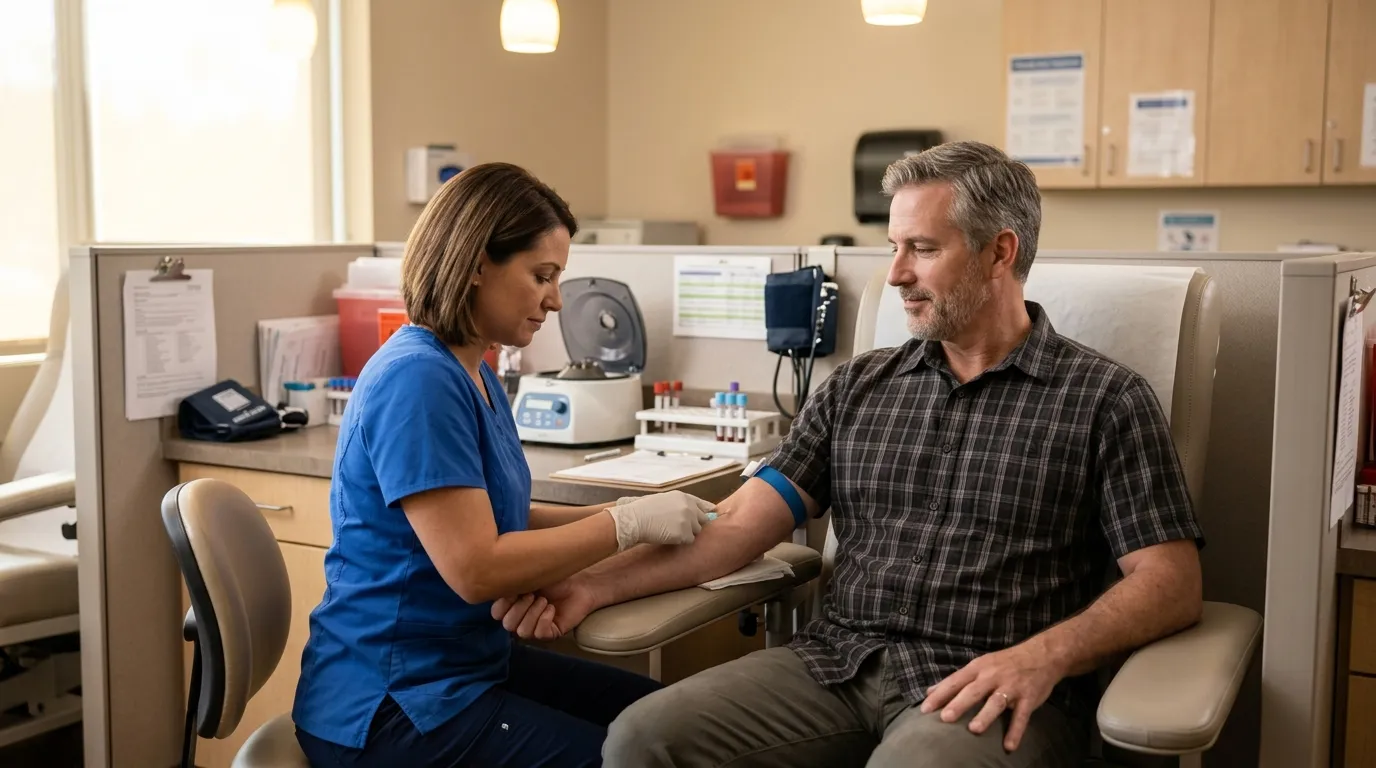
Myth #4: Testosterone Therapy Causes Prostate Cancer
Few testosterone and aging myths are more persistent — or more clinically important to correct — than the belief that TRT causes prostate cancer. This idea stems largely from research conducted in the 1940s by Dr. Charles Huggins, who showed that castration (drastically reducing testosterone) could shrink existing prostate tumors. From this, it was incorrectly extrapolated that adding testosterone must therefore fuel prostate cancer growth in all men.
Modern research does not support this conclusion. The "saturation model," developed by Dr. Abraham Morgentaler and published in European Urology, demonstrates that prostate tissue becomes saturated with testosterone at relatively low levels — meaning that adding more testosterone above that threshold does not proportionally stimulate prostate cell growth. Large observational studies and systematic reviews have consistently failed to demonstrate a causal link between TRT use and new prostate cancer development in men without pre-existing disease.
According to the Endocrine Society's clinical practice guidelines, TRT is contraindicated in men with active or suspected prostate cancer. However, for men without prostate cancer, appropriately managed testosterone therapy does not appear to increase cancer risk. PSA levels are routinely monitored during TRT, giving providers a reliable early-warning mechanism. Our article on TRT and prostate cancer explores this topic in much greater clinical depth for men who want the full picture.
The practical takeaway: a qualified TRT provider will screen your PSA and prostate health before starting therapy, and will monitor it regularly. This is exactly the kind of managed, evidence-based approach that makes TRT a safe intervention for eligible men.
Myth #5: TRT Makes You Aggressive and Emotionally Unstable
The cultural caricature of the rage-fueled, aggressive man on testosterone has little basis in clinical reality for men receiving therapeutic doses. This myth conflates TRT — which restores testosterone to physiologically normal ranges — with supraphysiological doses used in anabolic steroid abuse, which are an entirely different matter.
In clinical studies, men with low testosterone who receive TRT often report the opposite effect: improvements in mood, reduced irritability, better emotional regulation, and decreased symptoms of depression and anxiety. A meta-analysis published in the Journal of Psychiatric Research found that testosterone therapy had a significant positive effect on depressive symptoms in men with hypogonadism. This makes physiological sense — testosterone interacts with serotonin and dopamine systems in the brain, and restoring normal levels can stabilize mood rather than destabilize it.
That said, some men may experience mood fluctuations — particularly if dosing is inconsistent or if estrogen levels become imbalanced during treatment. These are manageable issues that a good provider will monitor and address. If you want to understand the mood-related aspects of TRT more thoroughly, our guides on TRT and depression and TRT and anxiety offer detailed, evidence-based overviews.
The short version: when testosterone is restored to healthy physiological levels under medical supervision, the typical outcome is emotional stability and improved well-being — not aggression or instability.
Myth #6: Once You Start TRT, You're on It Forever
This myth discourages many men from even exploring TRT because it feels like an irreversible commitment. The reality is considerably more flexible. Whether TRT is a long-term or short-term choice depends on the individual's diagnosis, goals, and response to therapy.
For men with primary hypogonadism — where the testes are unable to produce adequate testosterone — longer-term therapy is often necessary to maintain quality of life. For men with secondary hypogonadism, where the issue is upstream in the hypothalamic-pituitary axis, other options like clomiphene citrate (Clomid) or enclomiphene may stimulate the body's own production of testosterone and may not require ongoing TRT. Our comparison of Clomid vs TRT is a helpful resource for understanding these distinctions.
Men who do choose to discontinue TRT can do so, though it requires a managed transition. The testes' natural testosterone production typically suppresses during TRT due to reduced LH and FSH signaling from the pituitary. After stopping, this production usually recovers over time, though the timeline varies. Understanding what to expect during that process is important — our article on what happens when you stop TRT covers it thoroughly.
The key message: TRT is a medical treatment, not a lifetime sentence. With the right provider, you have options — and your treatment plan can evolve as your health and goals change over time.
What the Science Actually Says: TRT Benefits by Age Group
One of the most useful ways to separate testosterone and aging myths from reality is to look at what the clinical literature shows across different age groups. The benefits of restoring testosterone to healthy levels are well-documented and span multiple aspects of physical and mental health.
| Age Range | Common Symptoms of Low T | Evidence-Based Benefits of TRT |
|---|---|---|
| 30–39 | Fatigue, low libido, mood changes, reduced gym performance | Improved energy, sexual function, mood stabilization |
| 40–49 | Weight gain, brain fog, decreased motivation, erectile issues | Body composition improvement, cognitive clarity, libido restoration |
| 50–59 | Muscle loss, sleep disturbance, low drive, bone density decline | Lean mass preservation, improved sleep quality, bone density support |
| 60+ | Frailty risk, depression, cardiovascular markers, cognitive decline | Functional strength, mood improvement, metabolic health markers |
Research from the Testosterone Trials (TTrials) — a coordinated set of seven placebo-controlled trials funded by the National Institutes of Health — demonstrated that testosterone therapy in older men with low levels improved sexual function, physical performance, bone mineral density, and anemia. These findings, published in the New England Journal of Medicine and associated journals, represent some of the strongest evidence to date for TRT's clinical value across aging male populations.
For men over 60 wondering whether it's too late to benefit, our guide on TRT for men over 60 provides a realistic and balanced overview of what to expect. And if you're curious about specific results timelines, our article on how long TRT takes to work walks through what changes to expect and when.
How to Find Out If Low Testosterone Is Affecting You
Separating myth from reality is only useful if it leads you toward action. If you've read this far and recognize yourself in the symptoms described — fatigue, reduced drive, mood shifts, changes in body composition, brain fog — the right next step is a proper clinical evaluation, not further internet research.
A comprehensive evaluation for low testosterone includes a morning blood draw measuring total and free testosterone, along with a panel of related markers including LH, FSH, SHBG, estradiol, PSA, hematocrit, and metabolic indicators. Understanding your full hormonal picture is essential — our guide to free vs total testosterone explains why both numbers matter and how to interpret them.
If you're not sure where to start, take the free Low T symptom quiz — it takes under two minutes and helps you identify whether your symptoms align with clinically recognized signs of hypogonadism. From there, you can find a TRT clinic near you that offers thorough diagnostic workups and individualized treatment planning.
Access to qualified TRT providers has never been easier, with both local clinic options and telemedicine platforms available. If you're unsure how to evaluate your options, our step-by-step guide on how to find a TRT doctor is an excellent place to start, as is our overview of what to expect at your first TRT consultation.
The Bottom Line on Testosterone and Aging Myths
The most important thing you can take away from this article is this: testosterone and aging myths are not harmless. They discourage men from seeking evaluation for a treatable medical condition, and they contribute to years of unnecessary suffering — low energy, poor mood, reduced physical capacity, and diminished quality of life.
The medical reality is clear. Testosterone decline is real, but symptomatic hypogonadism is not something you simply have to accept. TRT is an established, FDA-recognized therapy with a strong and growing evidence base. When prescribed based on proper diagnostics and managed by a qualified provider with ongoing monitoring, it is both safe and effective for the vast majority of eligible men.
None of the myths examined in this article — that TRT causes cancer, destroys the heart, makes men aggressive, or locks them into lifelong therapy — hold up under scientific scrutiny. What does hold up is the evidence that treating low testosterone improves lives in meaningful, measurable ways across multiple domains of health.
You deserve accurate information and access to qualified care. If you've been sitting on the fence because of testosterone and aging myths you've heard from friends, forums, or outdated sources, this is your signal to take a step forward. Find a TRT clinic near you and get the evaluation you deserve. The conversation starts with a blood test — and it could change everything.
Sources & References
- Testosterone Therapy in Men with Hypogonadism — TRAVERSE Trial — New England Journal of Medicine [Link]
- Testosterone Trials (TTrials): Primary Results — New England Journal of Medicine [Link]
- AUA Guidelines on Testosterone Deficiency — American Urological Association [Link]
- Endocrine Society Clinical Practice Guideline: Testosterone Therapy in Men with Hypogonadism — Journal of Clinical Endocrinology and Metabolism [Link]
- Testosterone and the Prostate: The Saturation Model — European Urology [Link]
- Testosterone Therapy and Cardiovascular Risk: A Review — PubMed / National Library of Medicine [Link]
- Effect of Testosterone Treatment on Depressive Symptoms in Men — Journal of Psychiatric Research [Link]
Frequently Asked Questions
Ready to Take the Next Step?
Check your symptoms with our free quiz or browse 2,500+ verified TRT clinics.