Medical Disclaimer
The information on this website is for educational purposes only and is not a substitute for professional medical advice, diagnosis, or treatment. Always consult a qualified healthcare provider before starting any hormone therapy. Individual results may vary. TRTscout does not provide medical services or prescribe medications.
Key Takeaways
- The best TRT clinics in Indianapolis require comprehensive baseline blood work — including total testosterone, free testosterone, estradiol, and PSA — before prescribing any therapy.
- TRT is an FDA-recognized, well-studied treatment for clinically diagnosed low testosterone; when managed by a qualified provider, it is safe and effective for the vast majority of men.
- Indianapolis men have multiple TRT delivery options including injections, gels, pellets, and oral testosterone — the right choice depends on your lifestyle, preferences, and lab results.
- Monthly TRT costs in Indianapolis typically range from $150 to $350 on bundled membership plans, with cost varying by delivery method and whether insurance contributes.
- Both in-person Indianapolis clinics and telehealth providers serve the area effectively — choosing between them depends on your health complexity and convenience preferences.
- Regular follow-up monitoring every 3–6 months is a non-negotiable feature of responsible TRT care and is what keeps therapy safe and optimized over the long term.
Finding the Best TRT Clinics Indianapolis Has to Offer
If you've been feeling persistently fatigued, noticed a drop in libido, gained weight around your midsection, or simply lost the drive and mental sharpness you once had, low testosterone could be a contributing factor. You're not alone — millions of American men experience clinically low testosterone, and many never seek treatment. If you're searching for the best TRT clinics Indianapolis has available, this comprehensive guide is your starting point.
Medical disclaimer: This article is intended for educational purposes only and does not constitute medical advice. Always consult a licensed healthcare provider before starting, changing, or stopping any hormone therapy.
Indianapolis has a growing number of men's health clinics, urology practices, and telehealth providers offering testosterone replacement therapy (TRT). The challenge isn't finding one — it's knowing how to evaluate them. This guide walks you through everything: what makes a clinic trustworthy, what questions to ask, how much treatment typically costs, and how to take your first step with confidence. If you're not sure whether low T is even your issue, take the free Low T symptom quiz before diving in.
We'll also connect you with broader resources on the basics of testosterone replacement therapy so you can walk into any clinic fully informed.

What Is TRT and Who Needs It?
Testosterone replacement therapy is an FDA-recognized medical treatment designed to restore testosterone levels in men whose bodies no longer produce sufficient amounts on their own. This is not the same as performance-enhancing steroid use — TRT is a physician-supervised protocol tailored to each patient's lab results, symptoms, and health history. If you want a clear breakdown of the distinction, see our article on whether TRT is a steroid.
Normal testosterone levels in men typically range from about 300 to 1,000 ng/dL, though the Endocrine Society generally defines clinical hypogonadism as a total testosterone below 300 ng/dL combined with consistent symptoms. Testosterone naturally declines roughly 1–2% per year after age 30, which means by the time many men reach their 40s and 50s, levels can dip enough to cause real, life-affecting symptoms.
Common signs of low testosterone include:
- Persistent fatigue and poor sleep quality
- Reduced libido and sexual function
- Loss of muscle mass and increased body fat
- Difficulty concentrating or brain fog
- Low mood, irritability, or mild depression
- Reduced motivation and drive
If several of these sound familiar, it's worth getting your levels checked. You can learn more about the full symptom picture in our guide to 10 signs of low testosterone in men. TRT is appropriate when lab results confirm low levels and symptoms are negatively impacting your quality of life. A qualified Indianapolis TRT clinic will never prescribe therapy based on symptoms alone — proper blood work is always required first.
For a deep dive into what causes low testosterone, including lifestyle, medical, and age-related factors, that resource will help you understand the bigger picture before your first appointment.
What to Look for in Indianapolis Testosterone Clinics
Not all men's health clinics are created equal. When evaluating Indianapolis testosterone clinics, you want to look beyond flashy websites and focus on clinical substance. Here are the key criteria that separate good TRT providers from great ones.
Comprehensive Lab Testing
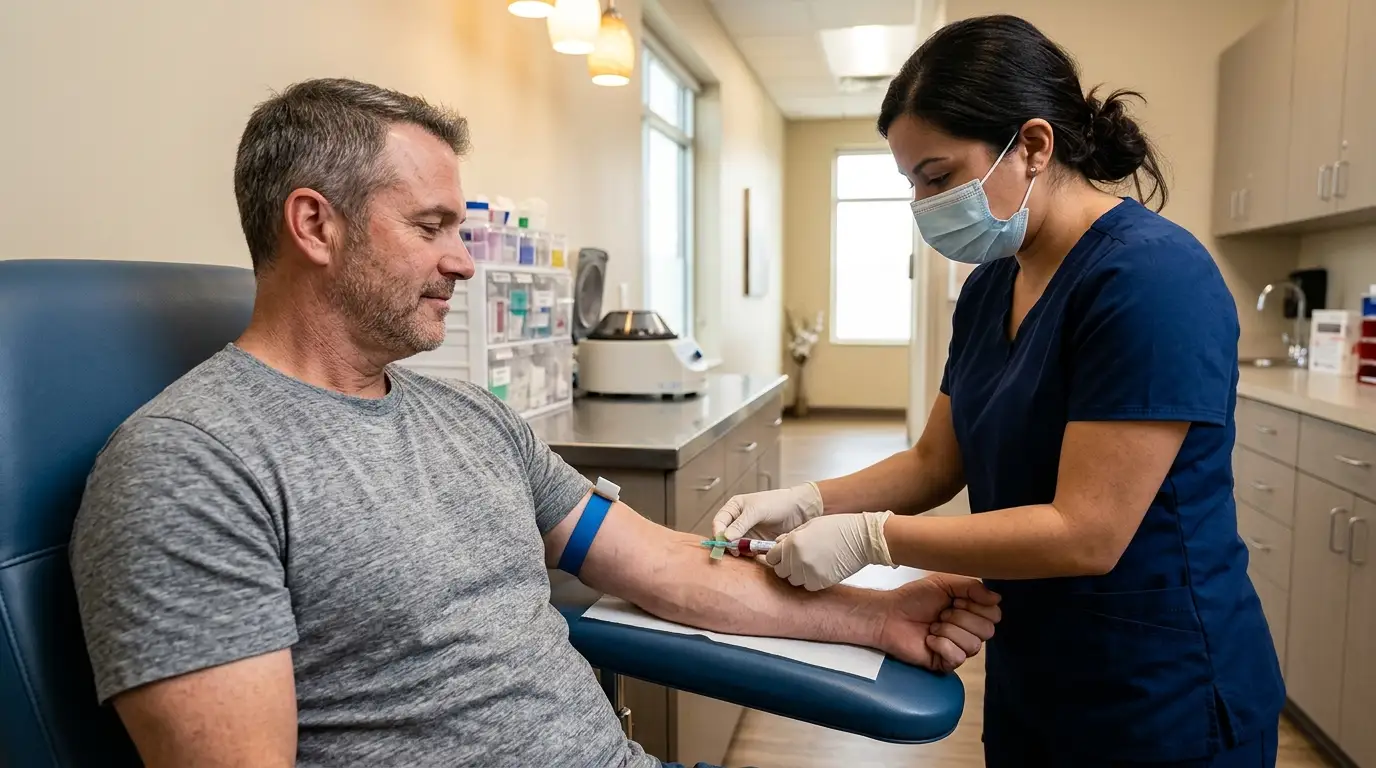
Any reputable clinic will require thorough baseline blood work before starting therapy. This should include total testosterone, free testosterone, SHBG (sex hormone-binding globulin), LH, FSH, estradiol, PSA (prostate-specific antigen), CBC (complete blood count), and a metabolic panel. Clinics that skip this step or offer treatment based purely on a symptom questionnaire are cutting corners. Learn exactly which blood tests you need before and during TRT so you know what to expect.
Licensed, Experienced Medical Staff
Your provider should be a licensed physician, nurse practitioner, or physician's assistant with specific experience in men's hormonal health. Look for board-certified urologists, endocrinologists, or internal medicine physicians who specialize in hormone therapy. Don't hesitate to ask about the provider's credentials and experience with TRT during your initial consultation.
Individualized Treatment Protocols
TRT is not a one-size-fits-all treatment. The best clinics will customize your protocol — whether that's injections vs. gel, dosing frequency, or whether adjunctive medications like HCG or anastrozole are appropriate for your situation. A clinic that puts every patient on the same protocol without variation is one to approach cautiously.
Ongoing Monitoring and Follow-Up
TRT requires regular follow-up blood work — typically at 6–12 weeks after starting, then every 3–6 months. A quality clinic schedules these check-ins proactively and adjusts your protocol based on results. This monitoring is what keeps treatment safe and effective long-term.
Transparency on Pricing
Legitimate clinics are upfront about what treatment costs, including consultations, labs, medications, and follow-up visits. Be cautious of clinics that are vague about fees until you're already committed. For a full picture, check out our complete TRT cost breakdown.
Types of TRT Available in Indianapolis
Indianapolis men's health providers typically offer several delivery methods for testosterone therapy. Each has its own advantages, and the right choice depends on your lifestyle, preferences, and how your body responds. Understanding your options before your first appointment puts you in a much stronger position.
Testosterone Injections
Injections — most commonly testosterone cypionate or enanthate — are the most widely used TRT method and are highly effective. They're typically administered once or twice weekly, either intramuscularly or subcutaneously. Injections offer precise dosing control and are usually the most cost-effective option. Read our comparison of testosterone cypionate vs enanthate to understand the differences.
Topical Gels and Creams
Gels and creams are applied daily to the skin and absorbed transdermally. They provide stable hormone levels without injections, making them a popular choice for men who prefer a needle-free approach. However, transfer risk to partners or children is a consideration. Our guide on TRT gel vs patches covers the pros and cons in detail.
Testosterone Pellets
Pellets are small implants inserted under the skin, typically in the hip or buttocks area, every 3–6 months. They offer a set-it-and-forget-it convenience and maintain steady hormone levels without daily or weekly dosing. For a full breakdown of this option, see our article on testosterone pellets: cost, procedure, and what to expect.
Oral Testosterone
Newer FDA-approved oral options like Jatenzo and Kyzatrex have expanded the choices available to patients. These are taken twice daily with food and offer a non-injectable, non-topical alternative. Learn more about oral testosterone and whether it's right for you.
A good Indianapolis TRT clinic will walk you through each option and help you decide based on your lifestyle and lab results — not just what's most convenient for their dispensary.

How Much Does TRT Cost in Indianapolis?
Cost is one of the most common questions men have before starting therapy, and it's entirely reasonable to want clarity before committing. TRT costs in Indianapolis vary depending on the clinic model, delivery method, and whether insurance is involved.
Here's a general breakdown of what you can expect:
| Service | Estimated Cost Range |
|---|---|
| Initial consultation | $50 – $200 |
| Baseline blood work | $100 – $300 (varies by panel) |
| Monthly medication (injections) | $30 – $100 per month |
| Monthly medication (gels/creams) | $100 – $300 per month |
| Testosterone pellets | $400 – $800 per insertion |
| Follow-up visits and monitoring labs | $100 – $250 per visit |
Some Indianapolis clinics offer membership or subscription models that bundle consultations, labs, and medications for a flat monthly fee — typically ranging from $150 to $350 per month. This can simplify budgeting considerably. For context on national averages, our TRT cost per month USA price guide offers a detailed comparison.
Regarding insurance: coverage for TRT varies significantly. Many insurance plans will cover medically diagnosed hypogonadism, but they may not cover certain delivery methods or compounded medications. Our guide on whether insurance covers TRT breaks down what to expect and how to navigate the billing process. If cost is a concern, TRT financing options are also available through many clinics.
In-Person vs. Telehealth TRT Clinics in Indianapolis
One of the biggest shifts in men's health over the last several years is the rise of telehealth TRT providers. Men in Indianapolis now have the option to complete their entire evaluation, consultation, and ongoing care remotely — or to work with a local clinic in person. Both models have genuine advantages.
In-Person Indianapolis TRT Clinics
In-person clinics allow for physical examinations, on-site lab draws, and a face-to-face relationship with your provider. For men who value that direct interaction, or who have more complex health histories that warrant closer monitoring, an in-person clinic is often the better fit. Indianapolis has urology groups, men's health centers, and hormone therapy practices spread across the metro area including the north side suburbs and downtown corridor.
When visiting a local clinic, come prepared with any prior lab results, a list of current medications, and a clear description of your symptoms. Our guide on your first TRT consultation will help you prepare thoroughly.
Telehealth TRT Providers Serving Indianapolis
Telehealth platforms allow Indianapolis men to consult with hormone specialists from home, have blood work done at a local lab, and receive medications shipped directly. Many of the top-rated national telehealth TRT providers operate in Indiana. These platforms are particularly convenient for men with busy schedules or those in surrounding suburban communities. See our full roundup of the best telemedicine TRT providers for 2026.
The key question when choosing between the two is: what level of support do you need? If you're relatively healthy, have straightforward low T without complicating factors, and want convenience, telehealth is a strong option. If your health history is more complex, an in-person provider who can coordinate with your primary care physician may serve you better. You can also explore our broader comparison of online TRT vs local clinic to weigh the trade-offs objectively.
Understanding TRT Safety and Monitoring
A question many men have before starting therapy is: is this safe? The honest answer is that TRT is a well-studied, FDA-recognized treatment that is safe and effective for the vast majority of men when properly managed. Like any medical therapy, it requires appropriate screening and monitoring — and that's exactly what qualified Indianapolis TRT providers are equipped to provide.
Some men wonder about cardiovascular effects. The landmark TRAVERSE trial, published in 2023 in the New England Journal of Medicine, found that testosterone therapy in middle-aged and older men with hypogonadism did not increase major cardiovascular events compared to placebo. This was a major study that added significant clarity to an area that had previously raised questions. For a complete look at this topic, see our article on TRT and heart health.
Another commonly discussed topic is hematocrit — TRT can increase red blood cell production, and in some men this requires monitoring and occasional management. This is entirely routine and manageable through regular blood work. Learn more about hematocrit and TRT and why your provider tracks it at every follow-up.
Men with pre-existing sleep apnea should inform their provider, as TRT may affect breathing patterns during sleep in some cases. This is manageable — a good clinic will screen for this before initiating therapy. PSA levels are also monitored as a precaution for prostate health, and research continues to support the safety of TRT in men without pre-existing prostate cancer. Our resource on TRT and prostate cancer research covers this topic in depth.
The takeaway: the risks associated with TRT are real but well-understood, and they are managed effectively through the screening and follow-up protocols that every reputable Indianapolis TRT clinic should follow as standard practice.
Questions to Ask Before Choosing an Indianapolis TRT Provider
Choosing a TRT clinic is a meaningful health decision, and you deserve to feel fully confident in your provider before starting treatment. Here are the key questions to ask during your initial consultation or even a phone screening call:
- What blood tests do you run before starting therapy, and what do you test during follow-up? A good clinic should run a comprehensive panel — not just total testosterone.
- What delivery methods do you offer? Clinics that only offer one option (often because it's most profitable for them) may not be giving you the most appropriate treatment.
- Who will I be speaking with at my appointments — a physician, NP, or PA? All three can be excellent, but know who's managing your care.
- How often will I have follow-up labs and appointments? Quarterly monitoring is standard and a sign of responsible care.
- Do you manage potential side effects like estrogen elevation or hematocrit changes? Any experienced clinic should have clear protocols for this.
- What's included in your pricing, and what might I be billed for separately? Avoid surprises by getting fee transparency upfront.
- Do you work with patients who also want to preserve fertility? If this matters to you, ask specifically — not all TRT protocols address fertility. Our guide on TRT and fertility explains your options.
A clinic that welcomes these questions and answers them clearly is demonstrating exactly the kind of transparency you want in a long-term healthcare partner. If a provider seems reluctant to discuss details or rushes you toward a prescription without thorough evaluation, consider that a signal to look elsewhere. For a broader framework on selecting a provider anywhere in the country, our guide on how to find the best TRT clinic near you is an excellent resource.
Getting Started: Your Next Steps in Indianapolis
If you've read this far, you're ready to take action — and that's a significant step. Here's a clear, simple path forward for men in Indianapolis who want to explore testosterone replacement therapy.
Step 1: Assess your symptoms. Start by honestly evaluating how you've been feeling. Take the free Low T symptom quiz to get a clearer picture of whether your symptoms are consistent with low testosterone. This gives you useful information before your first provider conversation.
Step 2: Get your levels tested. Visit a local lab or connect with a telehealth provider to get baseline blood work done. Understanding your free vs total testosterone levels — and how they compare to age-appropriate reference ranges — is the foundation of any TRT decision.
Step 3: Find a qualified provider. Use the TRTscout directory to find a TRT clinic near you in Indianapolis and surrounding Indiana communities. Filter by in-person or telehealth based on your preference.
Step 4: Prepare for your consultation. Review what to expect at your first TRT consultation, bring your lab results, and come with your questions written down. An informed patient gets better care.
Step 5: Commit to the process. TRT is not an overnight fix — most men begin noticing meaningful changes within 4–6 weeks, with full benefits emerging over several months. Read about how long TRT takes to work so your expectations are grounded in reality from day one.
Finding the best TRT clinics Indianapolis offers comes down to doing your due diligence, asking the right questions, and working with a provider who treats you as an individual — not a template. The good news is that Indianapolis has qualified providers ready to help, and the tools on TRTscout make it easier than ever to connect with the right one. Men across Indiana are reclaiming their energy, confidence, and quality of life through properly managed testosterone therapy. With the right provider by your side, you can too.
Sources & References
- Testosterone Therapy in Men with Hypogonadism: An Endocrine Society Clinical Practice Guideline — Journal of Clinical Endocrinology & Metabolism [Link]
- Cardiovascular Safety of Testosterone-Replacement Therapy (TRAVERSE Trial) — New England Journal of Medicine [Link]
- Testosterone Deficiency (Hypogonadism) — Overview — American Urological Association [Link]
- Testosterone Therapy: Potential Benefits and Risks as You Age — Mayo Clinic [Link]
- Low Testosterone (Male Hypogonadism) — Cleveland Clinic [Link]
- Diagnosis and Treatment of Testosterone Deficiency: Updated Recommendations From the American Urological Association — PubMed / Journal of Urology [Link]
- Testosterone and the Heart — PubMed Central [Link]
Frequently Asked Questions
Ready to Take the Next Step?
Check your symptoms with our free quiz or browse 2,500+ verified TRT clinics.