
Medical Disclaimer
The information on this website is for educational purposes only and is not a substitute for professional medical advice, diagnosis, or treatment. Always consult a qualified healthcare provider before starting any hormone therapy. Individual results may vary. TRTscout does not provide medical services or prescribe medications.
Key Takeaways
- Testosterone directly drives muscle protein synthesis, satellite cell activity, and neuromuscular efficiency — making low testosterone a primary medical cause of progressive muscle weakness in men.
- Clinical studies consistently show that TRT increases lean body mass, reduces fat mass, and improves strength in hypogonadal men, including men over 65.
- Diagnosis requires both symptom evaluation and comprehensive blood work — including total testosterone, free testosterone, SHBG, and other hormone markers — not a single test alone.
- TRT works best when combined with resistance training, adequate protein intake, quality sleep, and healthy body composition management.
- TRT is a well-studied, FDA-recognized therapy with a strong safety profile under proper medical supervision, including routine monitoring of blood markers.
- Finding a qualified TRT specialist — rather than relying solely on a general practitioner — significantly improves the quality of diagnosis, protocol design, and long-term outcomes.
If you've noticed your workouts getting harder, your strength fading despite consistent effort, or your muscles feeling unusually tired after activities that used to feel effortless, you're not imagining it. Low testosterone muscle weakness is a well-documented, physiologically real symptom that affects millions of men — and it's one of the most common reasons men seek evaluation for low T. This article explains exactly why testosterone is essential to muscle function, what happens when levels drop, and what effective, medically supervised options look like.
Disclaimer: This article is for educational purposes only and does not constitute medical advice. Always consult a qualified healthcare provider before starting or changing any treatment.
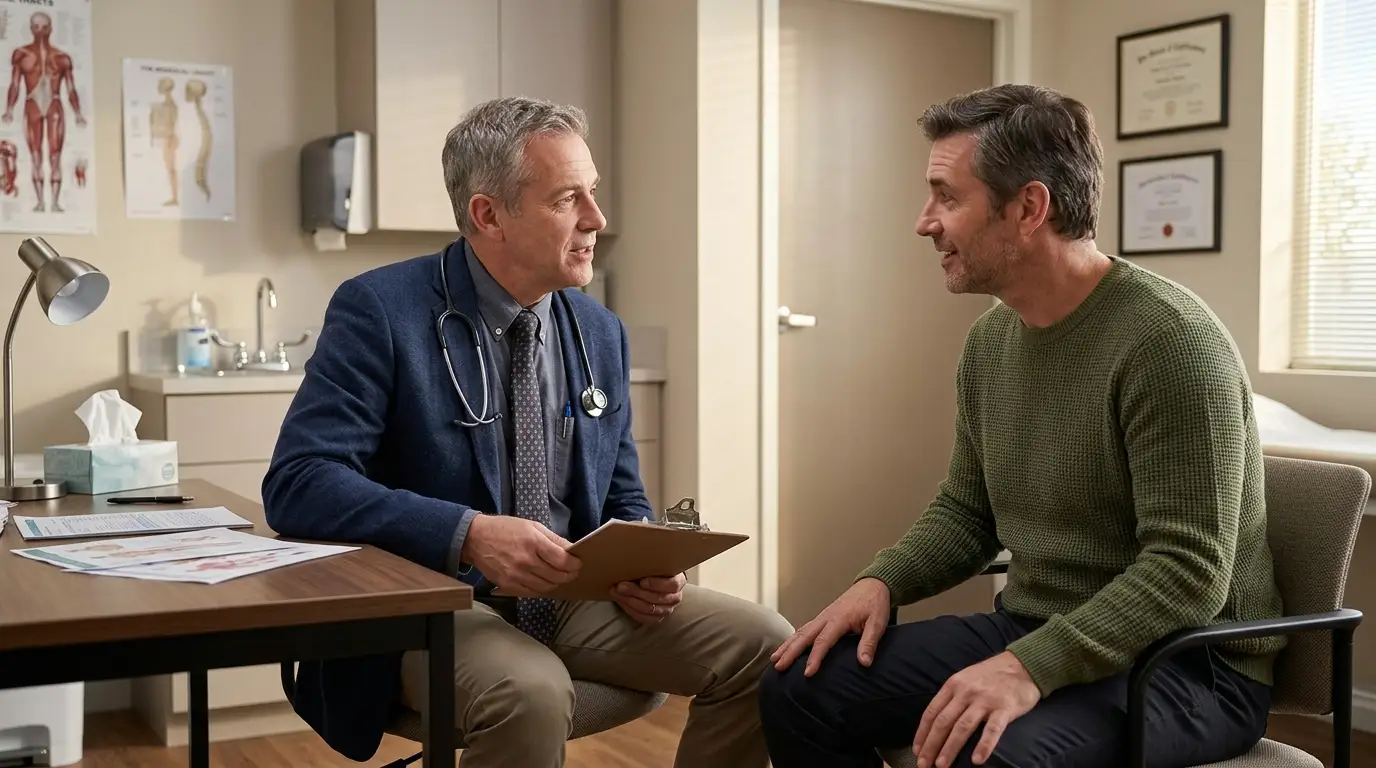
What Is the Connection Between Testosterone and Muscle?
Testosterone is far more than a sex hormone. It is a primary anabolic signal in the body — meaning it actively drives the growth, repair, and maintenance of muscle tissue. When testosterone binds to androgen receptors inside muscle cells, it triggers a cascade of protein synthesis that allows muscles to recover from exercise, grow stronger, and maintain their structural integrity over time.
Research published in the Journal of Clinical Endocrinology and Metabolism has demonstrated that testosterone directly stimulates satellite cells — the stem-cell-like repair units within muscle tissue — to proliferate and fuse with existing muscle fibers. Without adequate testosterone signaling, this repair process slows significantly. The result is a gradual loss of lean muscle mass known as hypogonadal sarcopenia.
Testosterone also influences neuromuscular function. Men with clinically low testosterone often report not just a loss of muscle size, but reduced muscular endurance, slower recovery, and a sense of generalized physical weakness that doesn't improve with rest. This happens because low T reduces the efficiency of motor neuron signaling to muscle fibers, meaning the communication between your nervous system and your muscles becomes less effective.
Additionally, testosterone plays a role in regulating cortisol — the body's primary stress and catabolic hormone. When testosterone is low, cortisol tends to be relatively dominant, which actively breaks down muscle protein rather than building it. This creates a hormonal environment that works against maintaining strength even in men who train regularly.
For context, research shows that men begin losing approximately 1 to 2 percent of their testosterone per year after age 30. By their 40s and 50s, many men have levels low enough to produce noticeable functional consequences. You can learn more about this trajectory in our article on Natural Testosterone Decline by Age: What the Research Shows.
Recognizing Low Testosterone Muscle Weakness: Key Symptoms
One of the challenges with low-T-related muscle weakness is that it develops gradually, making it easy to attribute to aging, stress, or simply being out of shape. But there are specific patterns that suggest hormonal involvement rather than lifestyle factors alone.
Physical Signs of Low Testosterone Muscle Weakness
- Loss of muscle mass despite regular training: You're putting in the work at the gym but seeing little to no progress — or even regression — in muscle size and strength.
- Disproportionate fatigue: Activities that used to feel manageable now leave you exhausted well beyond what seems reasonable for the effort involved.
- Slower recovery: Muscle soreness after exercise lasts significantly longer than it did a few years ago, suggesting impaired tissue repair.
- Reduced grip strength: Studies consistently identify reduced handgrip strength as a reliable marker of low testosterone and declining muscle function.
- Increased body fat alongside muscle loss: This combination — often called a shift in body composition — is a hallmark of low testosterone. You may be gaining fat around the abdomen while losing definition elsewhere. Our article on Low Testosterone and Weight Gain: The Hidden Connection explores this in depth.
It's also worth noting that low testosterone rarely travels alone. Men with these muscle-related symptoms often report low energy, reduced motivation, mood changes, and poor sleep — all of which compound the physical effects. If several of these symptoms sound familiar, take the free Low T symptom quiz to get a clearer picture of where you stand.
For a broader look at symptom patterns by age, see our guide on Low Testosterone Symptoms After 40 (What's Normal?).
How Low Testosterone Causes Muscle Loss: The Science Explained
Understanding the biological mechanisms behind muscle weakness can help you make sense of why this problem is so persistent — and why it responds so well to proper hormonal treatment.
Testosterone acts through androgen receptors (ARs) found throughout skeletal muscle tissue. When testosterone binds to these receptors, it activates genes responsible for protein synthesis — the process that builds and maintains muscle fibers. In men with hypogonadism (clinically low testosterone), this AR activation is significantly reduced, leading to a net protein breakdown state in muscle tissue.
A landmark study by Bhasin et al., published in the New England Journal of Medicine, demonstrated that testosterone dose-dependently increases fat-free mass and muscle size in men, confirming that testosterone is a primary regulator of muscle anabolism. Even in older men, testosterone administration produced measurable gains in lean mass and strength within weeks.
Beyond protein synthesis, testosterone also affects IGF-1 (insulin-like growth factor 1), a potent muscle-building hormone. Low testosterone is associated with reduced IGF-1 activity, which further suppresses muscle growth and repair. Testosterone also reduces myostatin — a protein that inhibits muscle growth — creating a more favorable environment for gaining and maintaining muscle mass when levels are adequate.
The relationship between testosterone, inflammation, and muscle is also important. Low testosterone is associated with elevated levels of pro-inflammatory cytokines such as IL-6 and TNF-alpha, which promote muscle protein breakdown. This inflammatory state accelerates the muscle loss associated with aging and low T. Our article on TRT and Inflammation: Can Testosterone Help covers this connection in more detail.
Getting Diagnosed: The Role of Blood Work and Evaluation
If you suspect your muscle weakness has a hormonal cause, the next step is getting properly evaluated. Diagnosis of low testosterone requires a clinical assessment that combines symptom review with laboratory testing — not just a single blood test.
A qualified provider will typically order a comprehensive hormone panel that includes total testosterone, free testosterone, LH, FSH, SHBG, estradiol, a complete blood count, and a metabolic panel. Morning blood draws are standard, since testosterone levels peak in the early morning hours. Our detailed guide on TRT Blood Work: Which Tests You Need (Before and During Treatment) walks through each marker and what it means.
Understanding Your Testosterone Numbers
Many men are told their testosterone is "normal" when it sits at the low end of the reference range — yet they're experiencing significant symptoms. This is why context matters. The standard reference range for total testosterone is typically 300 to 1000 ng/dL, but research suggests many men feel and function best with levels between 500 and 900 ng/dL. Free testosterone — the biologically active fraction — is often equally or more important than total testosterone, particularly in men with elevated SHBG levels.
A well-rounded evaluation also considers the full clinical picture: symptom severity, body composition, exercise capacity, and quality of life. If you want to understand what your numbers actually mean in practice, our article on TRT Lab Results Explained: What Your Numbers Mean is a helpful starting point.
If you're ready to take action, find a TRT clinic near you through our directory to connect with a provider who specializes in hormone optimization.

How TRT Addresses Muscle Weakness: What the Evidence Shows
Testosterone replacement therapy (TRT) is an FDA-recognized treatment for clinically diagnosed hypogonadism. When administered under proper medical supervision, it is highly effective at restoring muscle mass, improving strength, and reversing the physical decline associated with low testosterone muscle weakness.
Multiple well-controlled clinical trials have documented TRT's impact on body composition. A meta-analysis published in the Journal of Clinical Endocrinology and Metabolism found that TRT consistently increased lean body mass by an average of 1.6 to 2.0 kg while reducing fat mass in hypogonadal men. Grip strength and overall physical performance also improved significantly across multiple studies.
The benefits are not limited to young men. Research in older hypogonadal men — including the landmark Testosterone Trials (TTrials) — found that TRT produced meaningful improvements in walking distance, stair-climbing power, and lean mass in men aged 65 and older. For men in their 50s, 60s, and beyond, TRT can be a genuine quality-of-life intervention that helps preserve independence and physical function.
It's also worth understanding that TRT works best as part of a broader approach. Men who combine TRT with consistent resistance training and adequate protein intake tend to see the most dramatic improvements in muscle mass and strength. Testosterone doesn't replace effort — it restores the hormonal environment that makes your effort pay off.
For a realistic look at the timeline and magnitude of these changes, see our guide on TRT and Muscle Growth: What to Expect. You can also read about TRT Before and After: Real Results Explained to understand what men typically experience throughout treatment.
TRT Delivery Methods and How They Affect Muscle Outcomes
One practical consideration for men starting TRT is the delivery method. Different formulations produce different testosterone level patterns, and the stability of your levels can influence how consistently you experience the muscle-building benefits of therapy.
| Delivery Method | Frequency | Level Stability | Best For |
|---|---|---|---|
| Testosterone Injections | Weekly or bi-weekly | Moderate to high peaks and troughs | Cost-effectiveness, proven results |
| Testosterone Gels/Creams | Daily | Very stable, steady levels | Men preferring non-injection methods |
| Testosterone Pellets | Every 3-6 months | Highly stable long-term | Men wanting low-maintenance therapy |
| Nasal Gel | 3x daily | Short peaks, minimal systemic absorption | Men concerned about transference |
For men focused on muscle recovery and physical performance, level stability tends to be an important factor. Frequent peaks and troughs — as can occur with less frequent injections — may produce more variable energy and recovery. More frequent injection schedules (twice weekly) or gel-based options often provide smoother levels. You can compare these options in detail at our articles on TRT Injections vs Gel: Which Is Better? and TRT Nasal Gel vs Injections: Pros, Cons and Costs.
Lifestyle Factors That Amplify (or Undermine) TRT Results for Muscle
TRT creates a favorable hormonal environment for building and maintaining muscle, but lifestyle factors remain critically important. Men who optimize these variables alongside TRT consistently report the best outcomes for strength and body composition.
Resistance Training
Progressive resistance training — lifting weights with gradually increasing loads — is the most potent stimulus for muscle growth. Even without TRT, resistance training raises testosterone levels acutely after sessions. With TRT restoring baseline hormone levels, the anabolic response to training is significantly enhanced. Aim for at least three to four sessions per week targeting major muscle groups.
Protein Intake
Muscle protein synthesis requires adequate dietary protein. Most research supports a target of 1.6 to 2.2 grams of protein per kilogram of body weight daily for men seeking to build or preserve muscle mass. This is higher than general population recommendations but well-supported by sports nutrition research for men in active hormone optimization.
Sleep Quality
The majority of testosterone release and muscle repair occurs during deep sleep. Poor sleep quality or insufficient sleep duration can significantly blunt the benefits of TRT. If sleep is an issue, it's worth discussing with your provider, as there is an established relationship between low testosterone and sleep disturbances. Our article on TRT and Sleep: Does Testosterone Improve Sleep? explores this connection.
Body Composition and Fat Mass
Excess body fat — particularly visceral abdominal fat — increases aromatase activity, converting testosterone into estrogen and further suppressing free testosterone levels. Even modest fat loss through diet and exercise can meaningfully improve the hormonal environment and amplify TRT's effectiveness for muscle-building purposes.
Men wondering whether lifestyle changes alone are enough should read our objective comparison at TRT vs Lifestyle Changes: When Do You Need Therapy?.
Understanding TRT Safety in the Context of Muscle and Overall Health
Men who are new to TRT often have questions about safety. It is important to approach this topic with the nuance it deserves: TRT is a well-studied, FDA-approved treatment with a strong safety profile when administered and monitored properly by qualified providers.
Some men with specific pre-existing conditions benefit from additional screening before starting TRT. For example, men with untreated sleep apnea may experience a modest worsening of symptoms in some cases — however, this is a well-understood and manageable consideration. A qualified TRT provider will screen for sleep disorders as part of standard pre-treatment evaluation and can coordinate care with a sleep specialist if needed. Read more at TRT and Sleep Apnea: Does Testosterone Make It Worse?.
Hematocrit (red blood cell concentration) may increase on TRT in some men, which is why routine monitoring through blood work is a standard part of responsible TRT management. This is easily tracked and addressed through protocol adjustments or blood donation when indicated. For more, see our article on Hematocrit and TRT: Why Your Levels Matter.
For men with cardiovascular concerns, recent research — including the large TRAVERSE trial — has provided reassuring evidence that TRT does not increase the risk of major cardiovascular events in men without pre-existing high-risk conditions. A comprehensive review of the current safety evidence is available at Is TRT Safe? Heart, Prostate and Long-Term Health Risks Explained.
The key point is that TRT's safety is well-supported when prescribed by a physician who conducts appropriate screening, individualizes dosing, and monitors you with regular follow-up blood work. This is not a therapy you should pursue without proper medical oversight — but with that oversight in place, the risk profile is highly manageable for most men.
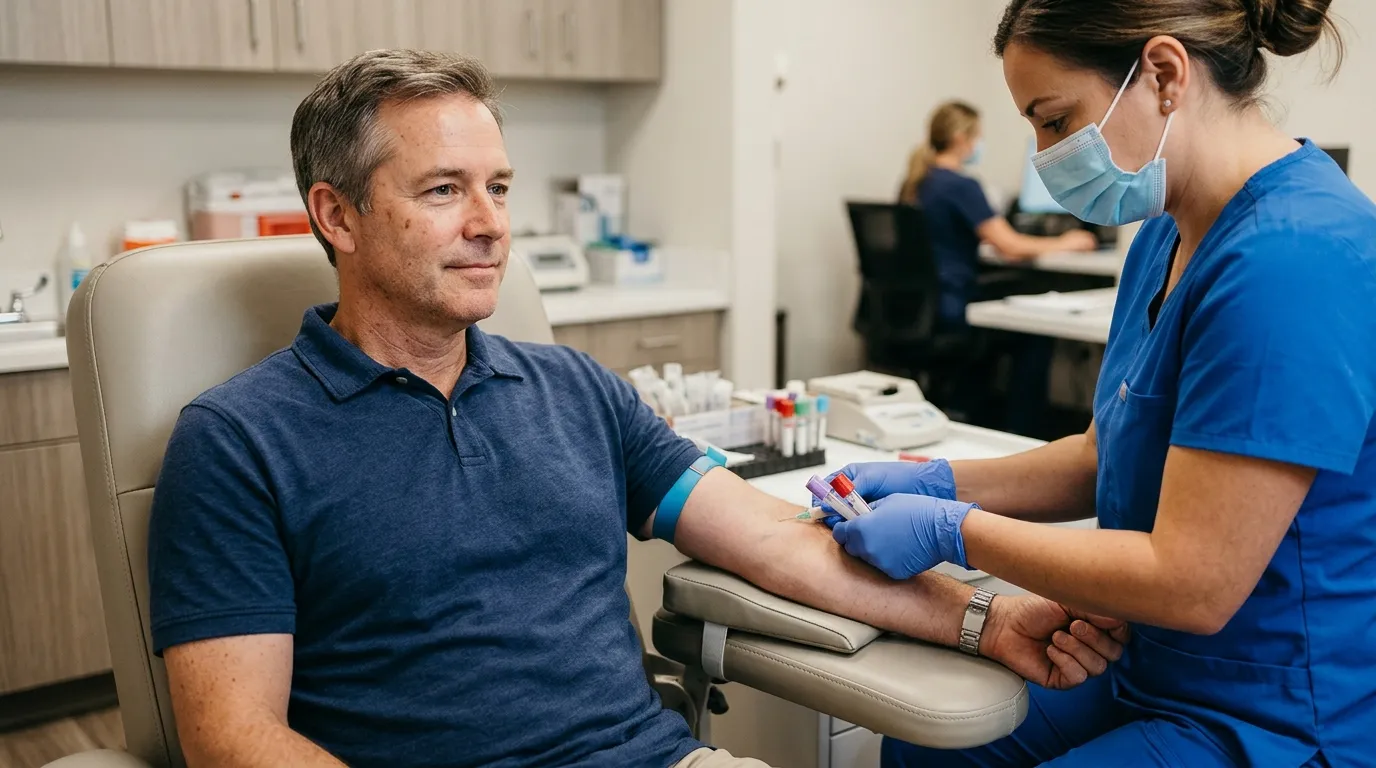
Taking the Next Step: Finding the Right TRT Provider
If low testosterone muscle weakness has been affecting your quality of life, the most impactful step you can take is to consult with a provider who specializes in men's hormone health. A general practitioner may not have the depth of experience to interpret nuanced lab results, design an individualized protocol, or adjust therapy over time — which is why many men choose to work with a dedicated TRT clinic or men's health specialist.
When evaluating providers, look for those who conduct comprehensive blood panels before prescribing, who offer ongoing monitoring, and who take a personalized approach to dosing and delivery method. Quality providers will also discuss your goals, explain your options clearly, and involve you in treatment decisions.
Our directory makes it easy to connect with qualified providers across the country. Whether you prefer an in-person clinic or the convenience of telemedicine, you can find a TRT clinic near you through TRTscout. If you're in a specific area, we also have curated guides for cities including Best TRT Clinics in Houston, Best TRT Clinics in Los Angeles, and Best TRT Clinics in Atlanta.
Not sure if TRT is right for you yet? Start by understanding the full picture. Read What Is Testosterone Replacement Therapy (TRT)? for a foundational overview, then explore How Long Does TRT Take to Work? to set realistic expectations for your recovery timeline.
Addressing low testosterone muscle weakness is not about chasing a performance edge — it is about restoring the physical function and vitality that is rightfully yours. With the right provider, a personalized protocol, and a commitment to the lifestyle factors that amplify results, most men experience meaningful improvements in muscle strength, body composition, energy, and overall well-being. The process starts with a single step: getting properly evaluated and having an honest conversation with a qualified professional about what your hormone levels and symptoms actually mean for your health.
Sources & References
- Testosterone Dose-Response Relationships in Healthy Young Men — New England Journal of Medicine / PubMed [Link]
- Effects of Testosterone Therapy on Muscle Performance and Physical Function in Older Men — Journal of Clinical Endocrinology and Metabolism / PubMed [Link]
- Testosterone Therapy in Men with Hypogonadism: An Endocrine Society Clinical Practice Guideline — The Endocrine Society [Link]
- The Testosterone Trials: Seven Coordinated Trials of Testosterone Treatment in Elderly Men — New England Journal of Medicine / PubMed [Link]
- Low Testosterone (Male Hypogonadism) — Cleveland Clinic [Link]
- Testosterone and Muscle: A Systematic Review of TRT Effects on Body Composition — Journal of Clinical Endocrinology and Metabolism / PubMed [Link]
- TRAVERSE Trial: Cardiovascular Safety of Testosterone Replacement Therapy — New England Journal of Medicine / PubMed [Link]
Frequently Asked Questions
Ready to Take the Next Step?
Check your symptoms with our free quiz or browse 2,500+ verified TRT clinics.