
Medical Disclaimer
The information on this website is for educational purposes only and is not a substitute for professional medical advice, diagnosis, or treatment. Always consult a qualified healthcare provider before starting any hormone therapy. Individual results may vary. TRTscout does not provide medical services or prescribe medications.
Key Takeaways
- TRT clinics specialize in testosterone therapy and offer faster access, more flexible protocols, and convenient telehealth options — ideal for men with confirmed age-related low T.
- Urologists bring deeper diagnostic expertise and are the better first choice for younger men, those with fertility concerns, or anyone whose low testosterone may have an underlying cause.
- Both provider types should follow the same diagnostic standard: two morning blood draws, a comprehensive hormone panel, and a full symptom evaluation.
- Insurance typically covers urologist visits for hypogonadism, while most TRT clinics operate on a cash-pay membership model — though costs can be comparable.
- Many men get the best outcome by starting with a urologist for diagnosis and then moving to a TRT clinic for ongoing, optimized management.
- The most important step is choosing a qualified provider and acting on your symptoms — untreated low testosterone affects long-term health, energy, and quality of life.
TRT Clinic vs Urologist: Why Your Choice of Provider Matters
If you've been researching testosterone replacement therapy, you've likely asked yourself a straightforward but important question: should I go to a dedicated TRT clinic or see a urologist? The trt clinic vs urologist debate is one of the most common topics men bring up when they're ready to take action on symptoms like fatigue, low libido, brain fog, and declining muscle mass.
The honest answer is that both can be excellent options — but they serve different needs, offer different experiences, and come with different trade-offs. Understanding those differences helps you move forward with confidence rather than confusion.
Disclaimer: This article is for educational purposes only and does not constitute medical advice. Always consult a qualified healthcare provider before starting or changing any treatment protocol.
If you haven't confirmed your symptoms yet, take the free Low T symptom quiz to get a clearer picture before your first appointment. You can also explore 10 Signs of Low Testosterone in Men to see how your experience compares to common presentations of hypogonadism.

What Is a Dedicated TRT Clinic?
A dedicated TRT clinic — sometimes called a men's health clinic or hormone optimization clinic — is a practice that specializes exclusively, or primarily, in testosterone replacement therapy and related men's health concerns. These clinics may operate in person, online (via telehealth), or both. Providers at these clinics typically include physicians, nurse practitioners, and physician assistants who spend the majority of their clinical time managing hormone protocols.
Because testosterone therapy is the core offering, TRT clinics tend to build highly refined systems around it. That means streamlined intake processes, comprehensive hormone panels, and follow-up protocols designed specifically for men on therapy. Many clinics offer monthly check-ins, easy prescription refills, and direct messaging with providers — conveniences that general practitioners or specialists rarely match.
From a cost perspective, many TRT clinics operate on a subscription or membership model, typically ranging from $100 to $300 per month, which often includes labs, consultations, and medication. Telehealth-based options have made this even more accessible. You can review a TRT cost full price breakdown to understand what to expect financially.
TRT clinics also tend to offer a broader menu of delivery methods — including injections, topical gels, creams, pellets, and nasal gels. If you want to compare options before your first visit, resources like TRT Injections vs Gel: Which Is Better? can help you start the conversation with your provider well-informed.
One potential limitation of TRT clinics is that they may not be equipped to investigate deeper or more complex underlying conditions. If your low testosterone turns out to be linked to a pituitary tumor, a genetic condition, or another serious pathology, you may eventually need a referral to a specialist.
What Does a Urologist Do for Low Testosterone?
Urologists are surgical and medical specialists who manage conditions of the male reproductive system and urinary tract. Their scope includes prostate health, erectile dysfunction, infertility, testicular disorders, and yes — testosterone deficiency. Because the testes produce testosterone, urologists are well-positioned to diagnose and treat male hypogonadism from a clinical and anatomical standpoint.
When a urologist evaluates a man for low testosterone, they bring a comprehensive lens. They can assess whether the problem originates in the testes themselves (primary hypogonadism), in the pituitary gland (secondary hypogonadism), or in the hypothalamus (tertiary). They can also assess for structural problems, testicular atrophy, or varicoceles — a condition where enlarged veins in the scrotum reduce testosterone production and fertility.
For men with concerns about fertility, a urologist is often the more appropriate first stop. TRT suppresses the body's natural testosterone production and reduces sperm count. A urologist can discuss alternatives like clomiphene citrate or HCG therapy that preserve fertility while addressing hormone levels. See our comparison of Clomid vs TRT: Which Low Testosterone Treatment Is Right for You? for more on this.
The trade-off with urologists is access and focus. Most urology practices are busy, appointment wait times can stretch weeks, and testosterone management is just one of many conditions they handle. Some urologists are highly experienced with TRT protocols; others may be less up to date with current hormone optimization approaches, preferring more conservative treatment thresholds.
Key Differences: TRT Clinic vs Urologist Side by Side
To make this comparison concrete, here's how the two provider types stack up across the dimensions that matter most to men considering testosterone therapy.
| Factor | TRT Clinic | Urologist |
|---|---|---|
| Specialization | TRT and men's hormone health | Male reproductive system and urology |
| Wait times | Often same week or telehealth same day | Typically 2–6 weeks |
| Testosterone focus | Primary offering | One of many conditions treated |
| Fertility preservation | Variable; some offer HCG protocols | Strong expertise |
| Protocol flexibility | Often broader (more delivery methods) | May prefer standard protocols |
| Insurance coverage | Often cash-pay or membership model | Typically accepts insurance |
| Ongoing monitoring | Structured, frequent check-ins | Less frequent follow-up |
| Complex pathology | May require referral | Can investigate in-house |
Neither option is universally superior — the right choice depends on your specific situation, goals, and priorities. Men who want convenient, focused, ongoing testosterone management often prefer a dedicated clinic. Men who need complex diagnostic workups, have fertility concerns, or prefer their care coordinated through a specialist may be better served by a urologist, at least initially.
When a TRT Clinic Is the Better Choice
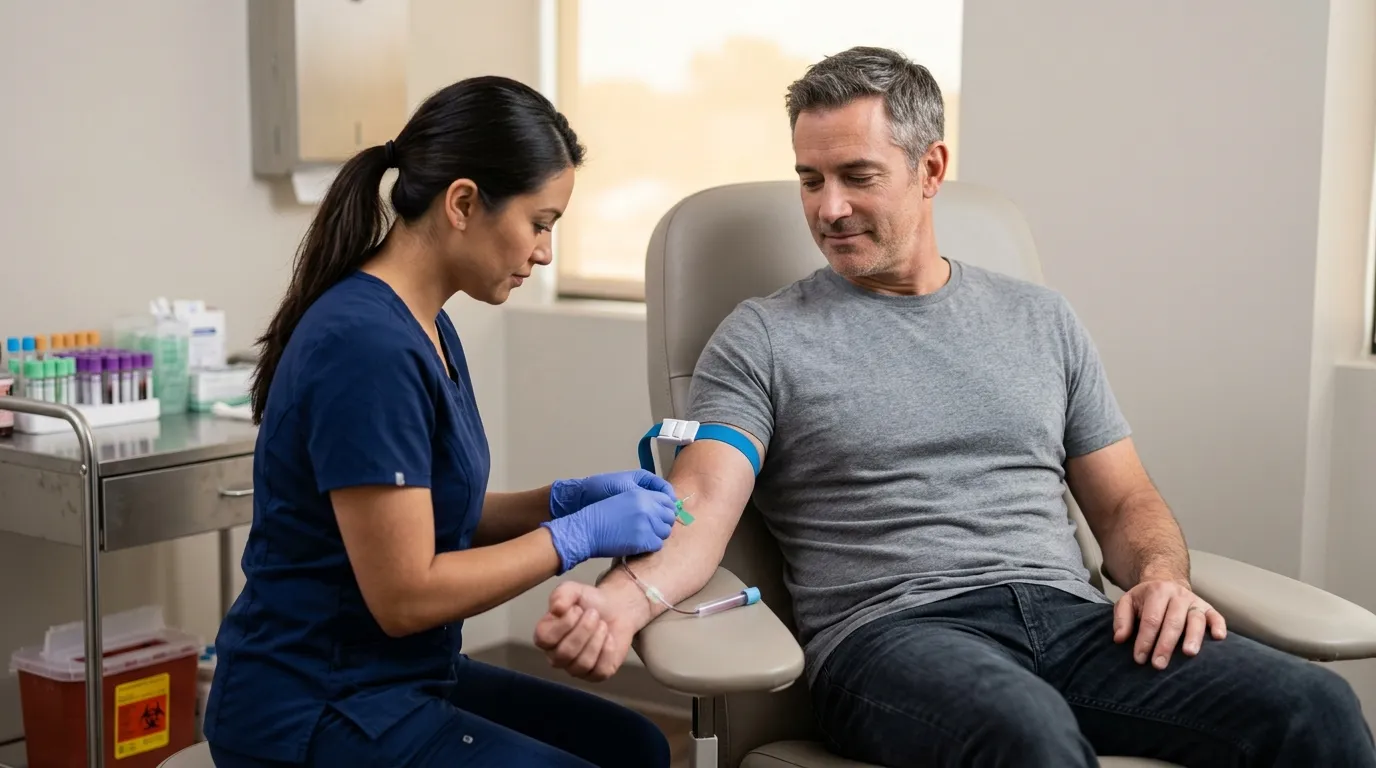
A dedicated testosterone clinic tends to be the better fit for men who have already confirmed low T through lab work, understand their symptoms, and are primarily looking for a knowledgeable provider to manage their protocol efficiently and responsively.
If you've experienced symptoms like persistent fatigue, reduced motivation, declining libido, difficulty building muscle, or mood changes, and your bloodwork confirms low testosterone, a TRT clinic can get you started quickly. Clinics that operate via telehealth can often complete intake labs, a consultation, and your first prescription within a week — sometimes faster. Explore a full guide on How to Get Prescribed TRT to understand what the process typically looks like.
TRT clinics are also a strong choice for men who want individualized dosing and frequent optimization. Rather than following a single standard protocol, experienced TRT providers adjust your dose based on labs, symptoms, and response over time. Resources like our Testosterone Dosage Adjustment guide explain how this iterative process works in practice.
Men who value convenience — especially those with demanding work schedules — often prefer the telehealth model offered by many TRT clinics. Quarterly virtual check-ins, at-home lab kits, and shipped medications eliminate the friction of traditional medical appointments. If you're exploring this route, our Telehealth TRT Providers Comparison is a helpful starting point.
Finally, if you simply want a provider whose entire practice is built around helping men feel better on TRT, a dedicated clinic offers a depth of day-to-day experience that's hard to match. Find a TRT clinic near you through the TRTscout directory to compare providers in your area.
When a Urologist Is the Better Choice
There are specific situations where seeing a urologist first — or in addition to a TRT clinic — is genuinely the smarter move. Understanding when to take this path can protect your long-term health and ensure you get the most appropriate care for your situation.
If you're a younger man (under 40) with unexpectedly low testosterone, a urologist can investigate potential causes such as varicocele, hypogonadotropic hypogonadism, or pituitary abnormalities. Simply starting TRT without understanding the cause may mask an underlying condition that warrants direct treatment. Learn more about What Causes Low Testosterone in Men to understand the diagnostic landscape.
Fertility is another clear reason to consult a urologist. TRT suppresses sperm production in most men, which can cause temporary or, in rare cases, prolonged infertility. If you want children in the future, a urologist can discuss fertility-preserving alternatives or co-therapies before you commit to testosterone therapy. Our guide on TRT and Fertility covers this topic in depth.
Men with elevated PSA levels, a history of prostate conditions, or urinary symptoms may benefit from a urological evaluation before starting TRT. A urologist can rule out prostate issues that would need to be addressed before therapy begins, and can monitor prostate health throughout treatment. See TRT and PSA Levels: Should You Be Worried? for what to expect.
Finally, if your primary care physician suspects a secondary cause for your low T — such as a pituitary issue or thyroid dysfunction — they'll often refer you to either a urologist or endocrinologist for further evaluation. In these cases, starting with the specialist makes clinical sense before moving to a management-focused TRT provider.
How the trt clinic vs urologist Decision Changes with Age
Age plays a meaningful role in this decision. Men in their 30s with low T are statistically more likely to have a correctable underlying cause — making a urologist or endocrinologist evaluation particularly valuable. Men in their 40s and 50s experiencing the gradual hormonal decline associated with aging-related hypogonadism are often well-served by a dedicated TRT clinic, as their symptoms align more closely with the standard population that clinics are designed to treat. For more on how hormone levels shift over time, read about Natural Testosterone Decline by Age.
What to Expect From the Diagnostic Process
Regardless of whether you choose a TRT clinic or a urologist, the diagnostic process for low testosterone should follow a similar general framework grounded in clinical guidelines from organizations like the American Urological Association (AUA) and the Endocrine Society.
A proper diagnosis requires at least two morning blood draws on separate days confirming total testosterone below the threshold (generally below 300 ng/dL in most guidelines, though symptoms matter as much as numbers). Labs should also include free testosterone, LH, FSH, SHBG, estradiol, hematocrit, and a metabolic panel at minimum. Our detailed guide on TRT Blood Work: Which Tests You Need walks through what a thorough pre-treatment panel should include.
A quality provider — whether at a TRT clinic or urology practice — will review your full symptom picture, not just your lab numbers. Symptoms like fatigue, low libido, reduced muscle mass, and unexpected hot flashes are clinically meaningful data points. Your provider should take time to understand how your symptoms are affecting your quality of life before recommending a treatment plan.
After starting therapy, monitoring labs every 3 to 6 months is standard. This includes rechecking testosterone levels, hematocrit (to watch for polycythemia), PSA, and estradiol. Understanding your TRT lab results is an important part of being an active participant in your own care. A good provider will explain what each number means for your protocol.
Insurance, Cost, and Access Considerations
One practical factor that often tips the decision is cost and insurance coverage. Urologists typically accept major insurance plans, and when low testosterone is diagnosed as a medical condition (hypogonadism), many insurance providers will cover at least part of the treatment cost — including labs and prescriptions. This can make the urology route significantly more affordable for men with comprehensive health coverage.
TRT clinics, especially telehealth-based ones, more commonly operate on a cash-pay model. Monthly membership fees typically cover labs, consultations, and sometimes medication. While this means predictable pricing, it also means you're paying out of pocket. Some clinics do submit claims to insurance, and some HSA and FSA accounts can be used, so it's worth asking before you assume.
For men without insurance or with high deductibles, a TRT clinic's flat-rate model can actually work out to be comparable or even cheaper than the fragmented billing of a urology practice. Consult our resource on Does Insurance Cover TRT? to navigate your specific situation before making a decision based on cost alone.
Accessibility is also worth noting. In rural areas or smaller cities, a dedicated TRT clinic (especially telehealth) may be the most practical option. In larger metro areas, both options are usually available. Use the TRTscout clinic directory to find vetted providers near you, whether you prefer in-person or online care.

How to Make the Right Choice for Your Situation
By now, you have a clear picture of what each provider type offers. The trt clinic vs urologist decision ultimately comes down to a few key personal factors: your age, your symptoms, your fertility goals, your budget, and how complex your situation appears to be.
Here's a practical decision framework to guide you:
- Choose a TRT clinic if: You're in your 40s or 50s with confirmed low T, your symptoms align with age-related testosterone decline, you want convenience and ongoing optimization, and fertility is not a current concern.
- Choose a urologist if: You're under 40, your low T is unexplained, you have prostate or urinary symptoms, fertility matters to you, or your primary care provider has flagged a possible underlying condition.
- Consider both if: You start with a urologist for diagnosis and investigation, then transition to a TRT clinic for ongoing management once a clear treatment path is established. Many men do exactly this.
Whatever path you take, the most important thing is that you take action with a qualified provider. Untreated low testosterone is associated with reduced quality of life, metabolic changes, and long-term health consequences. You can explore TRT Before and After: Real Results to see what men typically experience once their levels are properly managed.
If you're still unsure whether your symptoms point to low testosterone, start with the free Low T symptom quiz to clarify where you stand. Then use TRTscout's directory to find a provider — whether a specialist or a dedicated clinic — who can give you the personalized evaluation you deserve. For a more detailed breakdown of the provider landscape, see our guide on What Type of Doctor Prescribes TRT?
The trt clinic vs urologist question doesn't have a single right answer — but now you have the information to make the right choice for your situation. The next step is yours to take.
Sources & References
- Diagnosis and Treatment of Testosterone Deficiency: AUA Clinical Guideline — American Urological Association [Link]
- Testosterone Therapy in Men With Hypogonadism: An Endocrine Society Clinical Practice Guideline — The Journal of Clinical Endocrinology & Metabolism [Link]
- Testosterone Therapy: Potential Benefits and Risks as You Age — Mayo Clinic [Link]
- Male Hypogonadism: Diagnosis and Management — PubMed / National Institutes of Health [Link]
- Testosterone Deficiency in Men: Management — Cleveland Clinic [Link]
- Effects of Testosterone Supplementation on Body Composition in Aging Men — PubMed / NEJM [Link]
- Testosterone Therapy and Cardiovascular Risk: TRAVERSE Trial Results — New England Journal of Medicine [Link]
Frequently Asked Questions
Ready to Take the Next Step?
Check your symptoms with our free quiz or browse 2,500+ verified TRT clinics.