
Medical Disclaimer
The information on this website is for educational purposes only and is not a substitute for professional medical advice, diagnosis, or treatment. Always consult a qualified healthcare provider before starting any hormone therapy. Individual results may vary. TRTscout does not provide medical services or prescribe medications.
Key Takeaways
- Pittsburgh men have access to a growing range of TRT options, including dedicated men's health clinics, urology practices, integrative medicine providers, and telehealth platforms.
- A quality TRT provider will always conduct comprehensive baseline blood work before prescribing and schedule regular monitoring every 3 to 6 months during treatment.
- TRT costs in Pittsburgh typically range from $80 to $300 per month depending on the delivery method, with telehealth providers often offering the most cost-effective all-inclusive programs.
- Common TRT side effects such as elevated hematocrit or estrogen levels are well-understood and manageable with proper medical supervision and routine lab monitoring.
- Both in-person Pittsburgh TRT clinics and telehealth providers can deliver high-quality care — the right choice depends on your health history, schedule, and personal preferences.
- Starting TRT begins with a symptom assessment and blood work; most men notice meaningful improvements in energy, libido, and mood within 6 to 12 weeks of beginning therapy.
Finding the Best TRT Clinics in Pittsburgh: What This Guide Covers
If you've been feeling persistently fatigued, struggling with low libido, losing muscle despite regular exercise, or noticing a general decline in your drive and focus, low testosterone may be the underlying cause. You're not alone — research suggests that roughly 2 to 4 million American men have clinically low testosterone, and many go undiagnosed for years. Finding the best TRT clinics in Pittsburgh is a smart first step toward getting real answers and effective treatment.
Disclaimer: This article is for educational purposes only and does not constitute medical advice. Always consult a qualified healthcare provider before starting or changing any hormone therapy.
Pittsburgh has a growing network of men's health clinics, urology practices, and telehealth TRT providers serving the greater Pittsburgh area — from Downtown and Shadyside to the South Hills and the North Shore. This guide will help you understand what to look for in a provider, how TRT works, what questions to ask at your first consultation, and how to make a confident, informed decision about your care. If you're not sure whether your symptoms point to low T, you can take the free Low T symptom quiz to get a clearer picture before booking an appointment.

What Is Low Testosterone and Who Does It Affect?
Testosterone is the primary male sex hormone responsible for a wide range of critical functions: muscle mass maintenance, bone density, libido, mood regulation, cognitive performance, and red blood cell production. Testosterone levels naturally begin declining around age 30 at a rate of roughly 1 to 2 percent per year. By the time many men reach their 40s and 50s, that cumulative decline can become clinically significant.
According to the American Urological Association, a total testosterone level below 300 ng/dL is generally considered low, though symptoms matter just as much as numbers. Some men feel the effects of declining testosterone even when their labs fall within the technically normal range. Understanding the difference between free and total testosterone is important — you can learn more in this detailed breakdown: Free Testosterone vs Total: Which Number Matters More?
Common symptoms of low testosterone include:
- Persistent fatigue and low energy even after adequate sleep
- Reduced libido and sexual performance issues
- Loss of muscle mass and increased body fat, particularly around the midsection
- Mood changes including irritability, low motivation, and depressive feelings
- Difficulty concentrating or experiencing brain fog
- Reduced bone density
- Sleep disturbances
Some men are surprised to learn that hot flashes can be a sign of low testosterone in men — a symptom more commonly associated with women. If several of these symptoms resonate with your experience, it's worth pursuing a proper evaluation. The good news is that testosterone replacement therapy, when managed by a qualified provider, is an established and effective treatment backed by decades of clinical research.
What to Look for in a Pittsburgh TRT Provider
Not all TRT clinics are created equal. Some offer cookie-cutter protocols without adequate individualization; others skip critical baseline blood work or fail to monitor patients properly during treatment. Knowing what separates a high-quality provider from a mediocre one will help you make a better choice and get better outcomes.
Key qualities of the best TRT clinics in Pittsburgh
When evaluating Pittsburgh-area testosterone clinics, look for these hallmarks of a quality practice:
- Comprehensive lab work before treatment: A reputable clinic will order a full hormone panel before prescribing anything. This includes total and free testosterone, LH, FSH, estradiol, PSA, CBC, and metabolic markers. Learn more about what tests to expect: TRT Blood Work: Which Tests You Need.
- Individualized dosing protocols: Your dose should be tailored to your labs, symptoms, body composition, and health history — not a one-size-fits-all number.
- Ongoing monitoring: Good providers schedule follow-up blood work every 3 to 6 months to track your testosterone levels, hematocrit, estradiol, and PSA.
- Multiple delivery options: Whether you prefer injections, gels, patches, or pellets, a good clinic should be able to discuss the pros and cons of each option with you. Compare popular choices here: TRT Injections vs Gel: Which Is Better?
- Transparent pricing: Quality clinics are upfront about monthly costs, what's included, and whether your insurance may offset some expenses.
- Physician-led care: Look for board-certified physicians or experienced nurse practitioners specializing in men's health or endocrinology, not just general wellness coaches.
It also helps to understand how a TRT clinic differs from seeing a urologist or endocrinologist. Each has advantages depending on your situation — explore the comparison here: TRT Clinic vs Urologist: Where Should You Get Treatment?
Types of TRT Clinics Available in Pittsburgh
Pittsburgh men have several types of TRT providers to choose from, each with distinct advantages depending on your schedule, preferences, and healthcare needs.
Dedicated men's health clinics
These are specialty practices focused exclusively or primarily on men's hormonal health. They typically offer streamlined intake processes, experienced staff who understand TRT inside and out, and protocols built around the latest evidence. Many have multiple Pittsburgh-area locations, making in-person follow-ups convenient whether you're in the North Hills, South Hills, or closer to Downtown.
Urology and endocrinology practices
Board-certified urologists and endocrinologists can prescribe and manage TRT as part of a broader scope of men's health. These practices may be a good fit if you have complex underlying conditions, prostate concerns, or fertility goals that need specialist oversight alongside your TRT management.
Primary care and integrative medicine providers
Some internists and family medicine doctors are well-versed in hormone optimization and can manage TRT within a broader primary care relationship. This can be convenient for men who want all their care coordinated in one place.
Telehealth TRT providers
A growing number of Pittsburgh men are turning to telehealth TRT platforms, which allow consultations, prescription management, and lab ordering entirely online. Medications are shipped directly to your home. This is a practical option for men with busy schedules, limited local access, or a preference for privacy. You can compare leading national telehealth options in this comprehensive guide: Telehealth TRT Providers: Side-by-Side Comparison. If you want to browse vetted options, find a TRT clinic near you through our directory, which includes both local Pittsburgh providers and telehealth options available to Pennsylvania residents.
How Much Does TRT Cost in Pittsburgh?
Cost is a practical concern for most men exploring testosterone therapy. The price of TRT in Pittsburgh — and across Pennsylvania — can vary significantly depending on the type of provider, the delivery method chosen, and whether insurance is involved.
Here is a general breakdown of what you might expect to pay:
| TRT Delivery Method | Estimated Monthly Cost (Pittsburgh Area) |
|---|---|
| Testosterone Injections (Cypionate/Enanthate) | $80 – $200/month |
| Topical Gels or Creams | $150 – $300/month |
| Testosterone Pellets | $400 – $800 per insertion (every 3–6 months) |
| Nasal Gel (Natesto) | $200 – $400/month |
| Telehealth TRT Programs | $99 – $250/month (all-inclusive) |
These figures include the medication itself but may or may not include consultation fees, lab work, or follow-up monitoring — always ask for a full cost breakdown before committing to a program. Some insurance plans cover TRT when there is a confirmed clinical diagnosis; others treat it as elective. Read more about navigating this: Does Insurance Cover TRT? What You Need to Know.
Injections remain the most cost-effective option for most men, and testosterone cypionate is by far the most commonly prescribed form in the United States. If you're curious about how injection frequency affects results, this article is worth reading: TRT Injection Frequency: Once vs Twice Weekly.
What to Expect at Your First TRT Consultation in Pittsburgh
Walking into your first TRT consultation can feel a little uncertain if you don't know what to expect. Here's a clear picture of how a thorough, well-run initial appointment typically unfolds at a quality men's health clinic.
Your provider will begin with a detailed health history review, asking about your symptoms, how long you've been experiencing them, your lifestyle habits, sleep quality, stress levels, and any prior diagnoses or medications. Be honest and thorough — the more context your provider has, the more tailored your treatment plan can be.
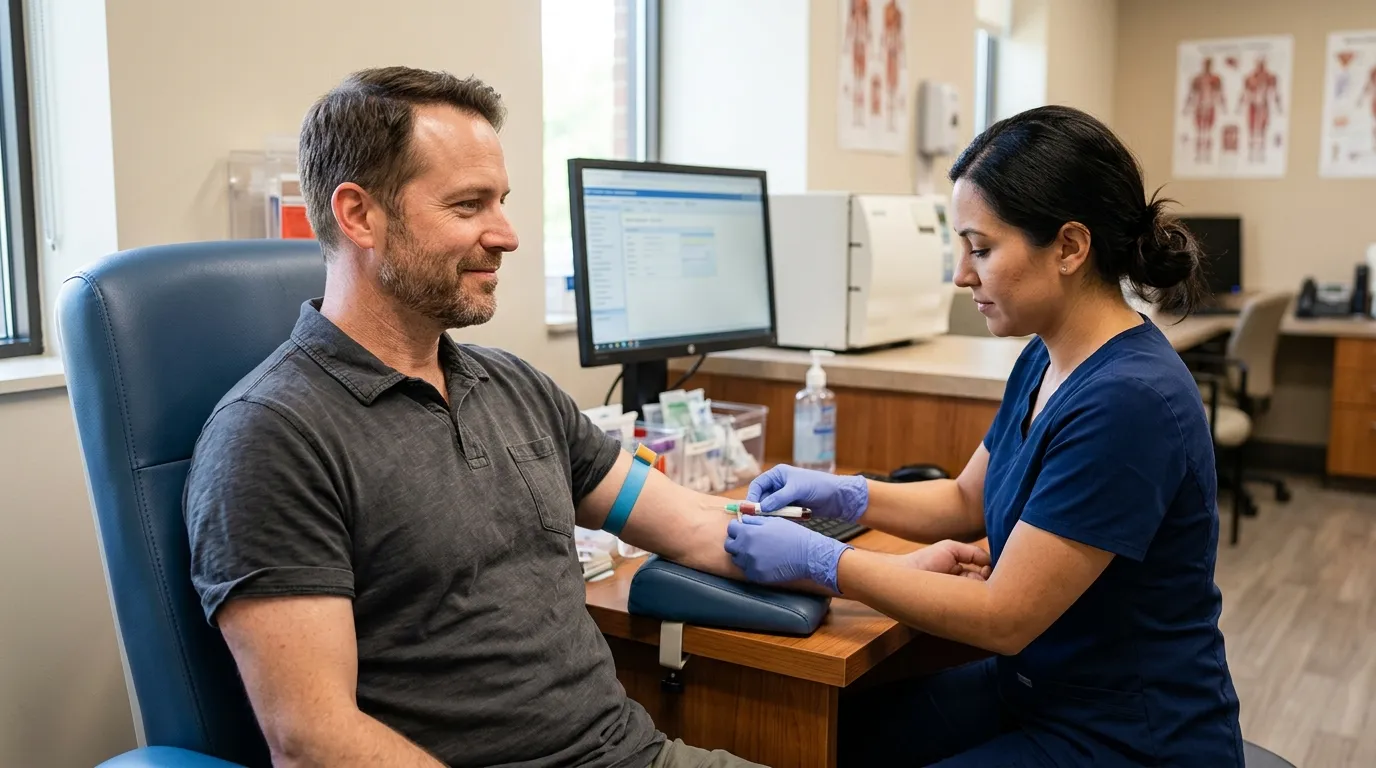
Next, you'll be asked to complete baseline blood work, if you haven't already. This panel typically includes total testosterone, free testosterone, SHBG, LH, FSH, estradiol, prolactin, PSA, CBC, and a comprehensive metabolic panel. Results usually take 24 to 72 hours. Understanding what these numbers mean is genuinely empowering — this guide breaks it all down: TRT Lab Results Explained: What Your Numbers Mean.
Once results are in, your provider will walk you through your hormone profile and discuss whether TRT is appropriate for you. If it is, you'll review delivery options, dosing, expected timelines, and the monitoring schedule. Most men begin to feel initial effects within the first 3 to 6 weeks, with more significant changes appearing by the 3-month mark. See real-world experiences here: TRT Before and After: Real Results Explained.
Come prepared with questions. Ask about their monitoring protocol, how they handle estrogen management, what happens if your hematocrit rises, and what your options are if a particular delivery method doesn't suit you. A provider who welcomes these questions is a good sign.
Understanding the Safety Profile of TRT
Men researching TRT often encounter a mix of reassuring information and cautionary language. The reality is that TRT is a well-studied, FDA-recognized medical therapy that is safe and effective for the vast majority of men with clinically confirmed low testosterone — when managed by a qualified provider with appropriate monitoring.
Some side effects can occur in certain men, and a quality provider will screen for them proactively:
- Elevated hematocrit: TRT can increase red blood cell production in some men, which may raise hematocrit levels. This is monitored through routine blood work and managed through dose adjustment or periodic blood donation. Learn more: Hematocrit and TRT: Why Your Levels Matter.
- Estradiol elevation: Some testosterone converts to estrogen via aromatization. Elevated estrogen in men can cause water retention or mood changes. This is tracked with routine labs and managed with aromatase inhibitors when necessary: Anastrozole on TRT: When You Need an Estrogen Blocker.
- Fertility considerations: TRT can suppress natural sperm production in some men. Men who are considering having children in the near future should discuss this with their provider before starting therapy: TRT and Fertility: Can You Have Kids on Testosterone?
- Sleep apnea: TRT may worsen sleep apnea in men who already have the condition. A thorough intake screening identifies this risk so it can be managed alongside treatment: TRT and Sleep Apnea: Does Testosterone Make It Worse?
The overarching takeaway is this: the risks associated with TRT are well-understood, well-documented, and manageable with proper care. The risks of leaving low testosterone untreated — including bone density loss, cardiovascular risk factors, metabolic dysfunction, and significantly reduced quality of life — deserve equal weight in your decision. For a thorough overview: Is TRT Safe? Heart, Prostate and Long-Term Health Risks Explained.

Pittsburgh vs Telehealth TRT: Which Option Is Right for You?
One of the most common questions Pittsburgh men ask is whether to see a local provider in person or use a telehealth TRT service. Both are legitimate paths to quality care — the right choice depends on your priorities.
Local Pittsburgh TRT clinics offer face-to-face relationships with your provider, on-site phlebotomy, and the ability to address concerns in real time. If you have complex health history, prefer hands-on care, or value in-person accountability, a local clinic is likely the better fit.
Telehealth TRT services offer unmatched convenience, often lower costs, and access to nationally recognized hormone specialists who may not be available locally. Lab work is typically arranged through national lab networks like Quest or LabCorp, both of which have multiple Pittsburgh-area locations. Medications are shipped directly to your home. Men with demanding schedules, limited mobility, or those in suburban Pittsburgh areas without nearby clinics often find telehealth TRT to be an ideal solution.
Many men also use a hybrid approach: starting with a local evaluation and then transitioning to a telehealth provider for ongoing management. Whatever you choose, make sure any provider — local or remote — follows a thorough protocol with regular monitoring. If you're comparing your options across the Midwest and Mid-Atlantic region, you might also find these city guides helpful: Best TRT Clinics in Columbus, Ohio, Best TRT Clinics in Detroit, and Best TRT Clinics in Indianapolis.
Questions to Ask Before Choosing a Pittsburgh TRT Clinic
Before committing to any provider — local or telehealth — it pays to ask direct questions. A quality clinic will welcome this due diligence. Here are the most important questions to raise:
- What lab tests do you run before prescribing, and how often do you monitor after starting?
- Which delivery methods do you offer, and how do you determine which is right for a patient?
- How do you manage estrogen levels and elevated hematocrit if they arise?
- What is your protocol if my symptoms don't improve within the first few months?
- Do you have experience treating men with conditions like sleep apnea, diabetes, or cardiovascular disease alongside TRT?
- What is the full monthly cost, including medications, labs, and consultations?
- Is there a long-term contract, or can I adjust or stop treatment as needed?
These questions help you quickly gauge whether a clinic is patient-centered, evidence-based, and transparent about costs and protocols. A provider who gives vague or dismissive answers to these questions is worth reconsidering. For a broader step-by-step approach to finding the right provider, this guide is an excellent resource: TRT Clinic Near Me: How to Find the Best One.
How to Get Started with TRT in Pittsburgh Today
If you've read this far and recognize yourself in the symptoms described, taking the next step is simpler than you might think. The process begins with a symptom evaluation and blood work — and from there, a qualified Pittsburgh provider can give you a clear picture of your hormone health and realistic options.
Here's a simple action plan to get started:
- Assess your symptoms: Take the free Low T symptom quiz to identify how many common low testosterone symptoms you're experiencing.
- Schedule a consultation: Use our directory to find a TRT clinic near you, filtering by Pittsburgh and surrounding Pennsylvania zip codes. You can choose between in-person and telehealth options based on your preferences.
- Get your labs drawn: Your provider will order baseline blood work. This is the foundation of any safe, effective TRT protocol.
- Review your results and treatment options: With your labs in hand, your provider will walk you through your numbers and recommend a treatment approach tailored to your needs.
- Start treatment and monitor progress: Most men notice meaningful improvements in energy, libido, mood, and body composition within 6 to 12 weeks of starting TRT.
Whether you're in Downtown Pittsburgh, the North Hills, the South Side, or anywhere across Allegheny County, quality testosterone therapy is within reach. The best TRT clinics in Pittsburgh combine clinical rigor with patient-centered care — and with the right guidance, you can find a provider who delivers both. Don't spend another year feeling less than your best when effective, evidence-based solutions are available to you right now.
Sources & References
- Testosterone Therapy in Men with Hypogonadism: An Endocrine Society Clinical Practice Guideline — Journal of Clinical Endocrinology & Metabolism [Link]
- Evaluation and Management of Testosterone Deficiency: AUA Guideline — American Urological Association [Link]
- Testosterone Therapy: What We Have Learned from Trials — PubMed / Journal of Clinical Endocrinology [Link]
- Low Testosterone (Male Hypogonadism) — Cleveland Clinic [Link]
- Testosterone Deficiency in Men — Mayo Clinic — Mayo Clinic [Link]
- Cardiovascular Safety of Testosterone Replacement Therapy — TRAVERSE Trial — New England Journal of Medicine [Link]
- Age-Related Changes in Testosterone in Men — PubMed / Journal of Clinical Endocrinology & Metabolism [Link]
Frequently Asked Questions
Ready to Take the Next Step?
Check your symptoms with our free quiz or browse 2,500+ verified TRT clinics.